FROM CONTEST TO MARKET
tokiwokumu
〈2022 Merit Award〉
Choose fragrances, stack the shapes, and construct the time that lies ahead.
“tokiwokumu” is an incense that offers a moment of self-reflection amidst such quiet actions.
Within these small blocks, you can see the journey of the developers who never stopped moving forward, even when faced with numerous obstacles.
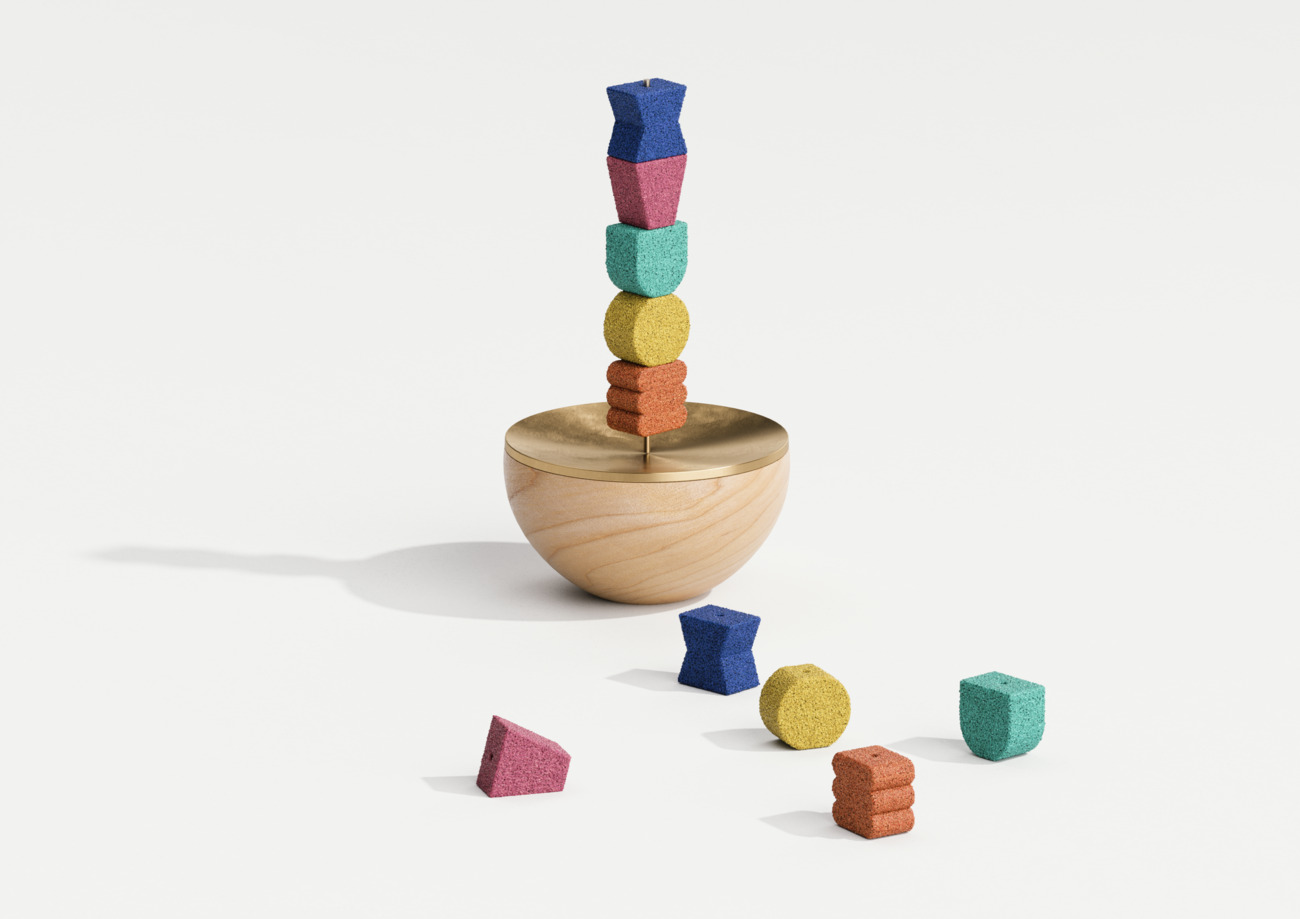
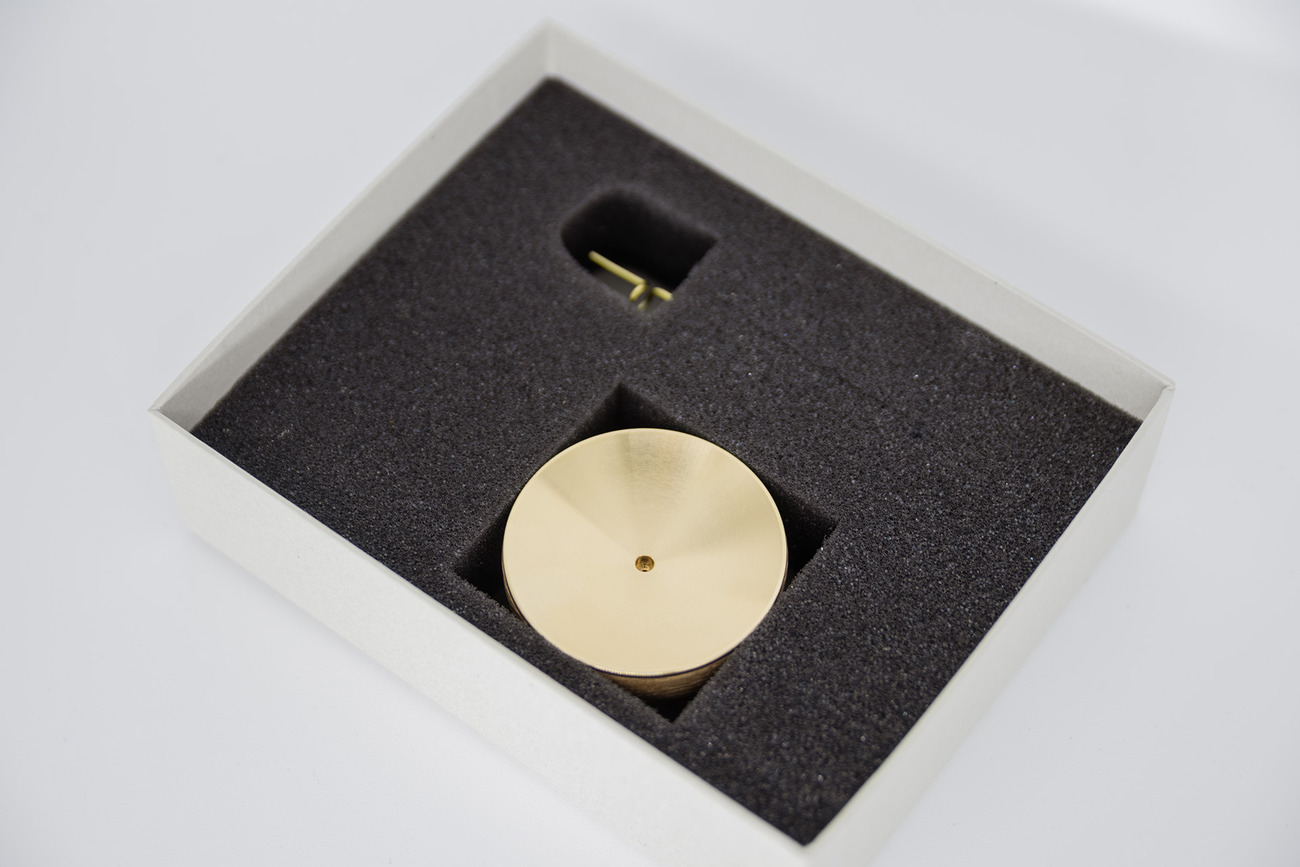
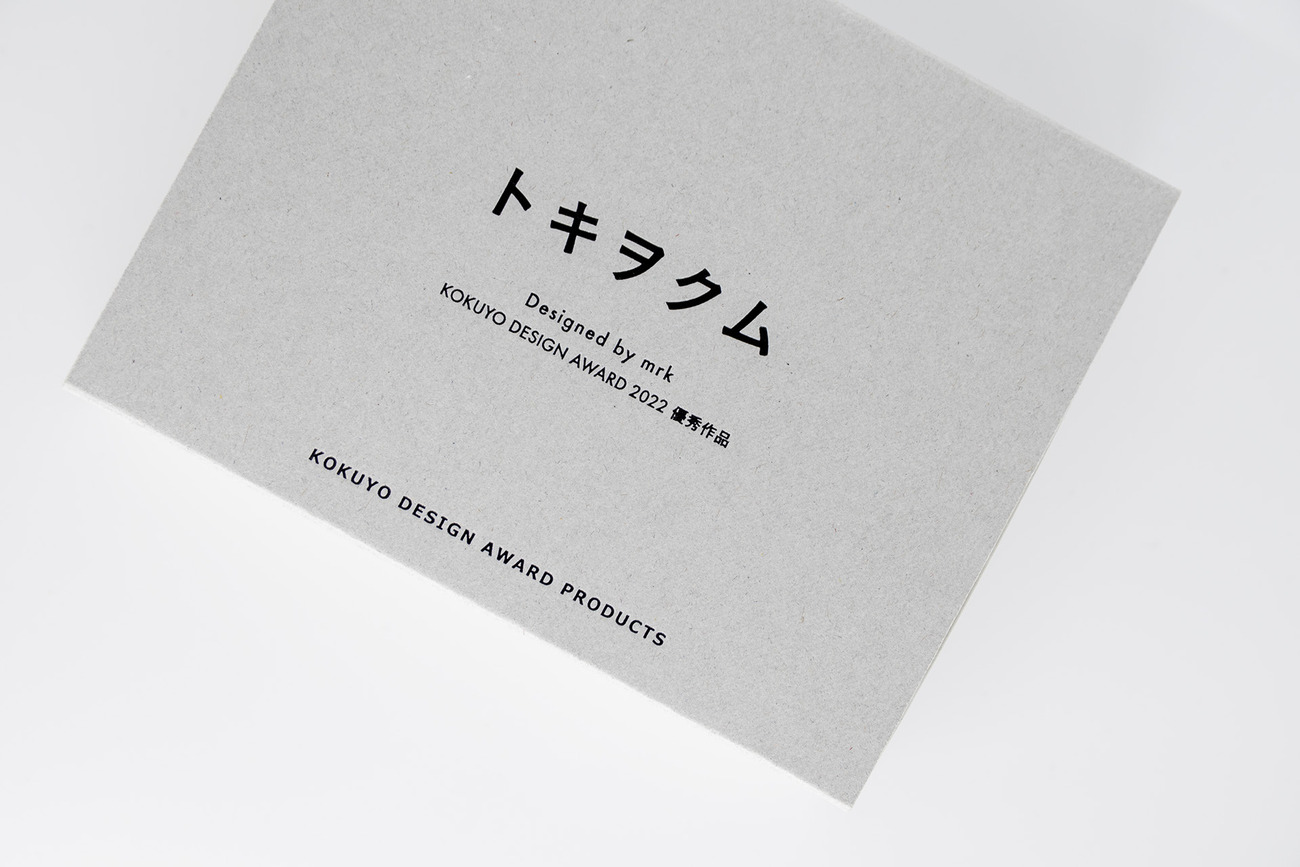
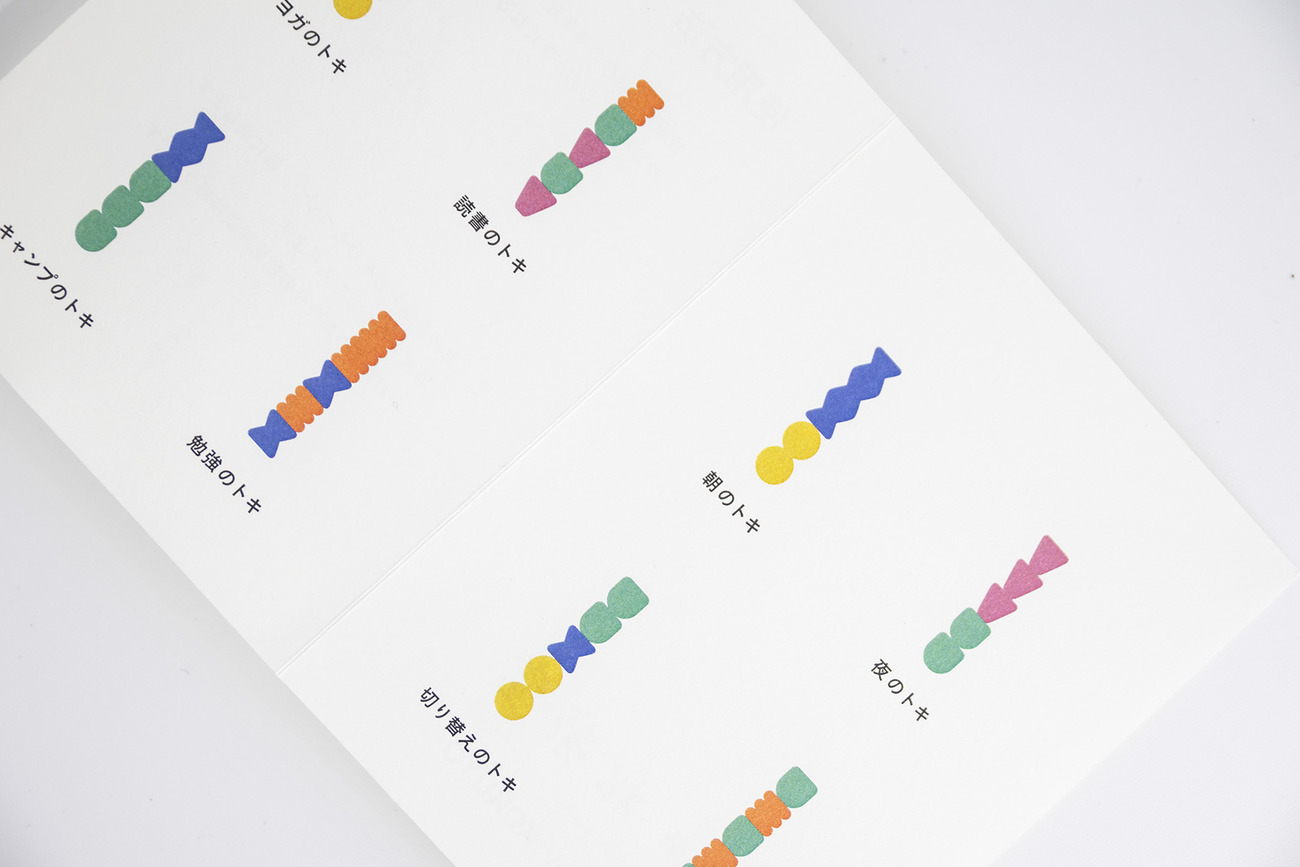
Incense and time. A proposal born from that connection.
“tokiwokumu,” which won the Merit Award at the KOKUYO DESIGN AWARD 2022, is a product that allows the user to enjoy “crafting” the time they will spend by combining different incense sticks. Rather than simply receiving a fragrance, the user chooses, builds upon, and designs their own experience. That idea left a strong impression ever since it won the award.
The person who came up with the initial idea was Miho Takeichi of mrk (pronounced “mark”), the recipient of the award. Ms. Takeichi, who usually works in branding and experience design, decided to apply for the KOKUYO DESIGN AWARD after thinking, “Maybe I can apply what I’ve learned in experience design to the product field as well.”
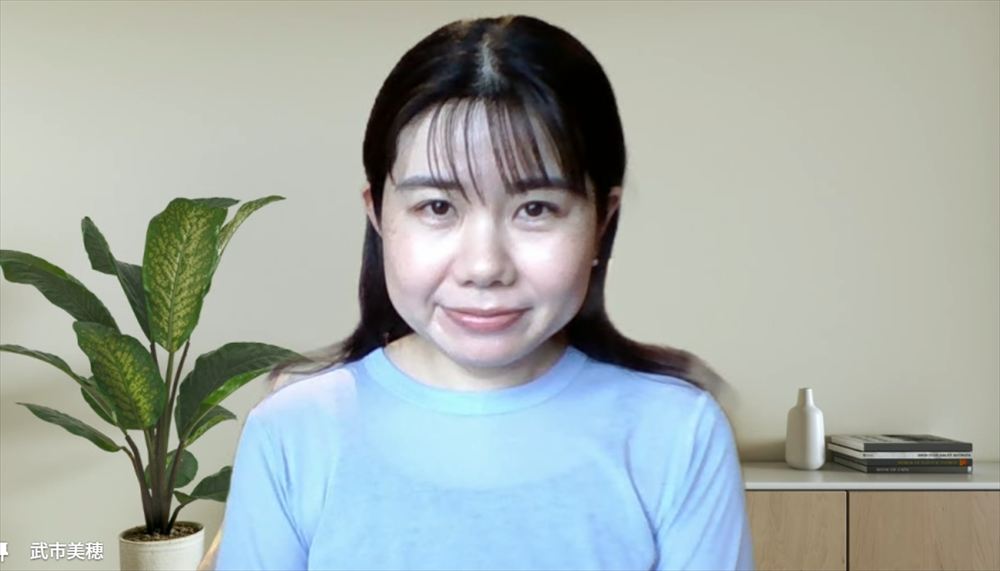
Creator: Miho Takeichi (mrk)
The theme for 2022 is “UNLEARNING.” The origin of the idea that led to “tokiwokumu” stemmed from Ms. Takeichi’s own long-standing fascination with incense. As she researched further, she learned that incense was once used to measure time, and she realized that there is a deep connection between incense and time. This coincided with the social circumstances brought about by the COVID-19 pandemic, which drastically changed the way people spent their time.
Kazumi Ueda of mrk reflects on that time, saying, “The sudden increase in ‘time spent at home’ was changing people’s very perception of time.” That’s why he thought it might be possible to create a product that allows people to reframe how they spend their time, not by managing it with a clock, but through the use of incense.
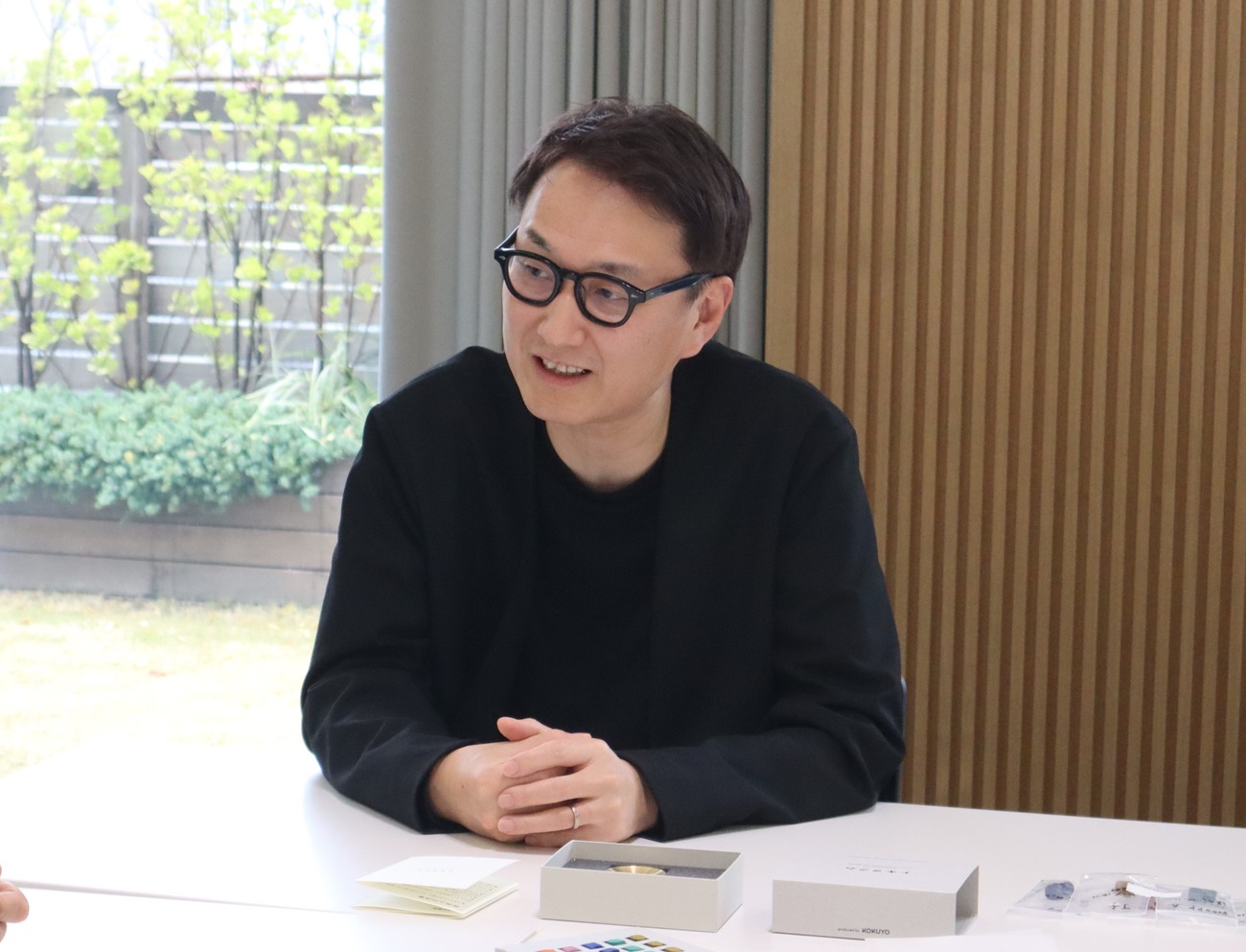
Creator: Kazumi Ueda (mrk)
A project that ventured into the realm of “things I wanted to do but couldn’t.”
KOKUYO started by looking for a partner to handle manufacturing. Takeshi Fujiki of KOKUYO recalls that he approached many incense manufacturers, but was often turned down because they said it was difficult to produce in small quantities. It was during this time that connecting with Shoyeido became a major turning point for this project.
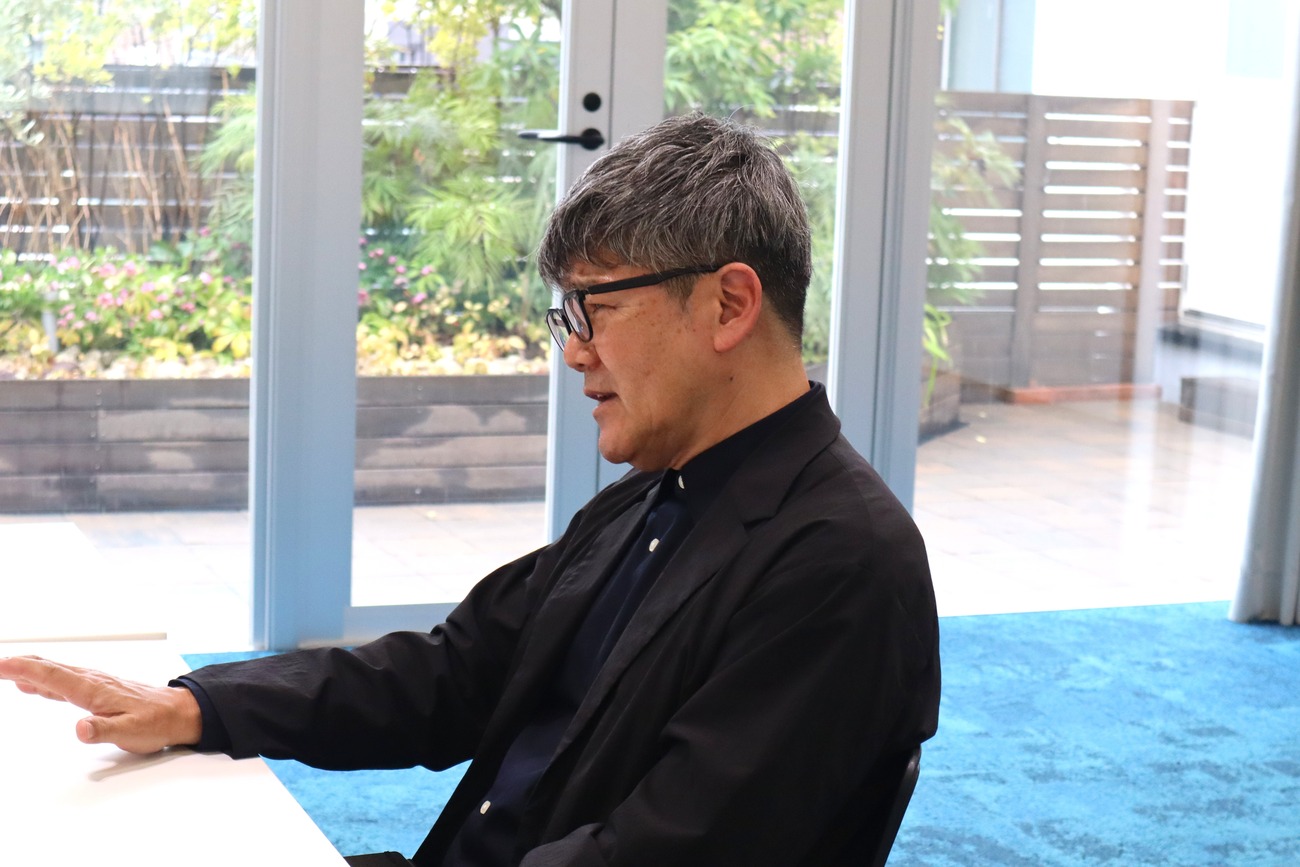
Takeshi Fujiki of KOKUYO, who oversaw product development
Even for Shoyeido, a company that has been making incense for over 300 years, this product was “a very convincing proposal,” they recall. Koichiro Tsuji of Shoyeido says that since the COVID-19 pandemic, there has been a growing trend toward viewing incense not only in a religious context, but also as a room fragrance to enjoy in everyday life. The idea of using fragrances to mark the passage of time perfectly resonated with the sensibilities of that era.
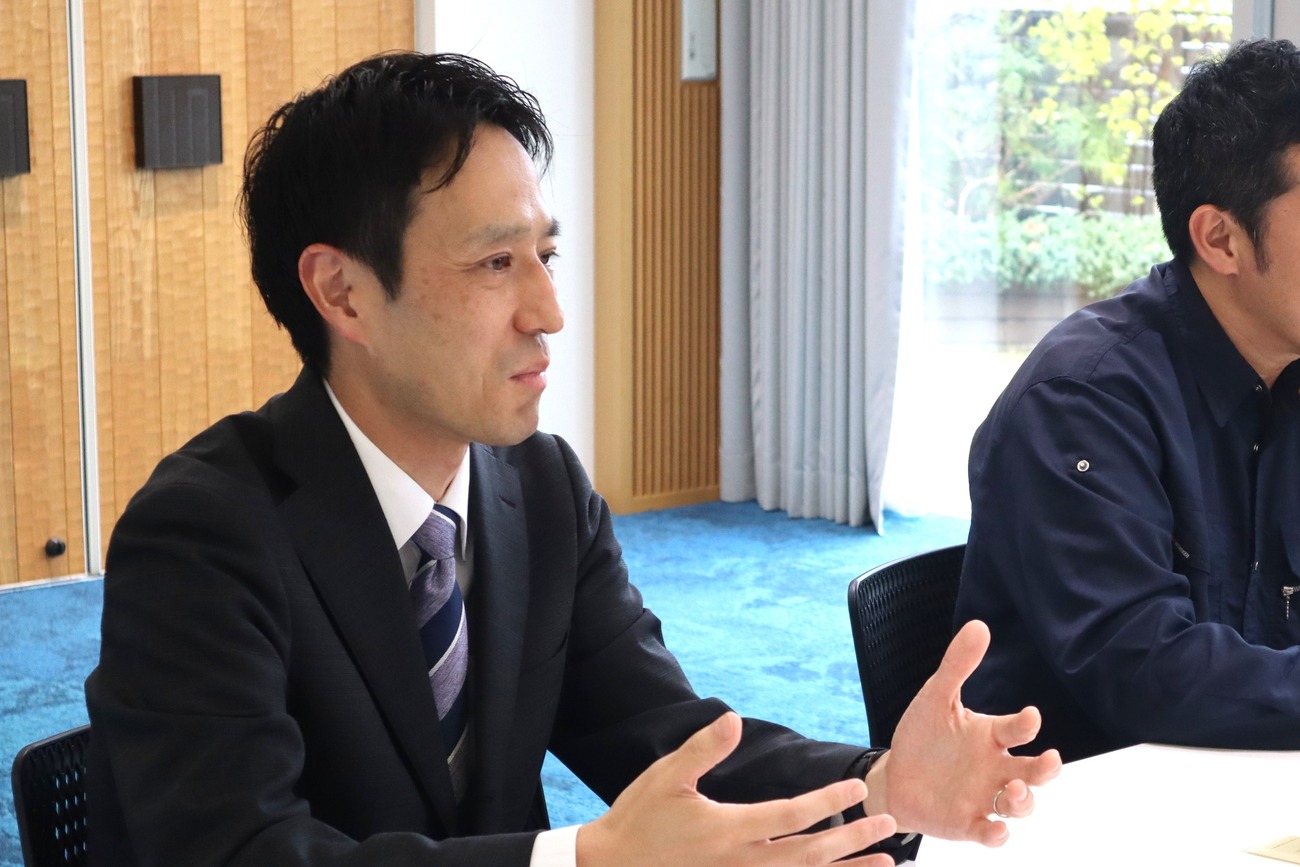
Koichiro Tsuji of Shoyeido, who oversaw the incense production
At the same time, for Mr. Tsuji, “tokiwokumu” was an area he had wanted to explore for a long time, but which he hadn’t been able to bring to fruition on his own. With existing incense, users essentially experience the fragrances proposed by the manufacturers. However, with “tokiwokumu,” the user combines fragrances according to their own senses and constructs their own time. That’s where Shoyeido saw an opportunity to explore the possibilities of experience design.
The biggest challenge is safely creating a structure that prevents the fire from spreading.
When it came to commercializing the product, the first issue Mr. Tsuji raised was safety. Even thin incense sticks are not easy to burn safely and steadily all the way to the end. Moreover, “tokiwokumu” features a structure where fire spreads from one block to the next. There’s virtually no precedent for burning such a large mass in everyday life, so we had to deal with risks such as whether it would go out midway, burn too intensely, or cause ash to scatter or embers to fall.
Teiji Fujimoto of Shoyeido also said that while he was initially attracted by the beauty and uniqueness of the design, he felt that achieving it would be a major challenge, wondering, “Can we really make this shape?” As the blocks shrink while they burn, the contact between them decreases, making it more difficult for the fire to spread. As he explains, “The approach was completely different from that of standard, straight incense sticks.” None of Shoyeido’s existing products had “fire that spreads,” and this was truly an area that could not be reached simply by building on their existing knowledge. At Shoyeido’s research lab, various trials and errors were conducted, such as freezing the incense before drying it and adjusting the position and size of the holes in the blocks.
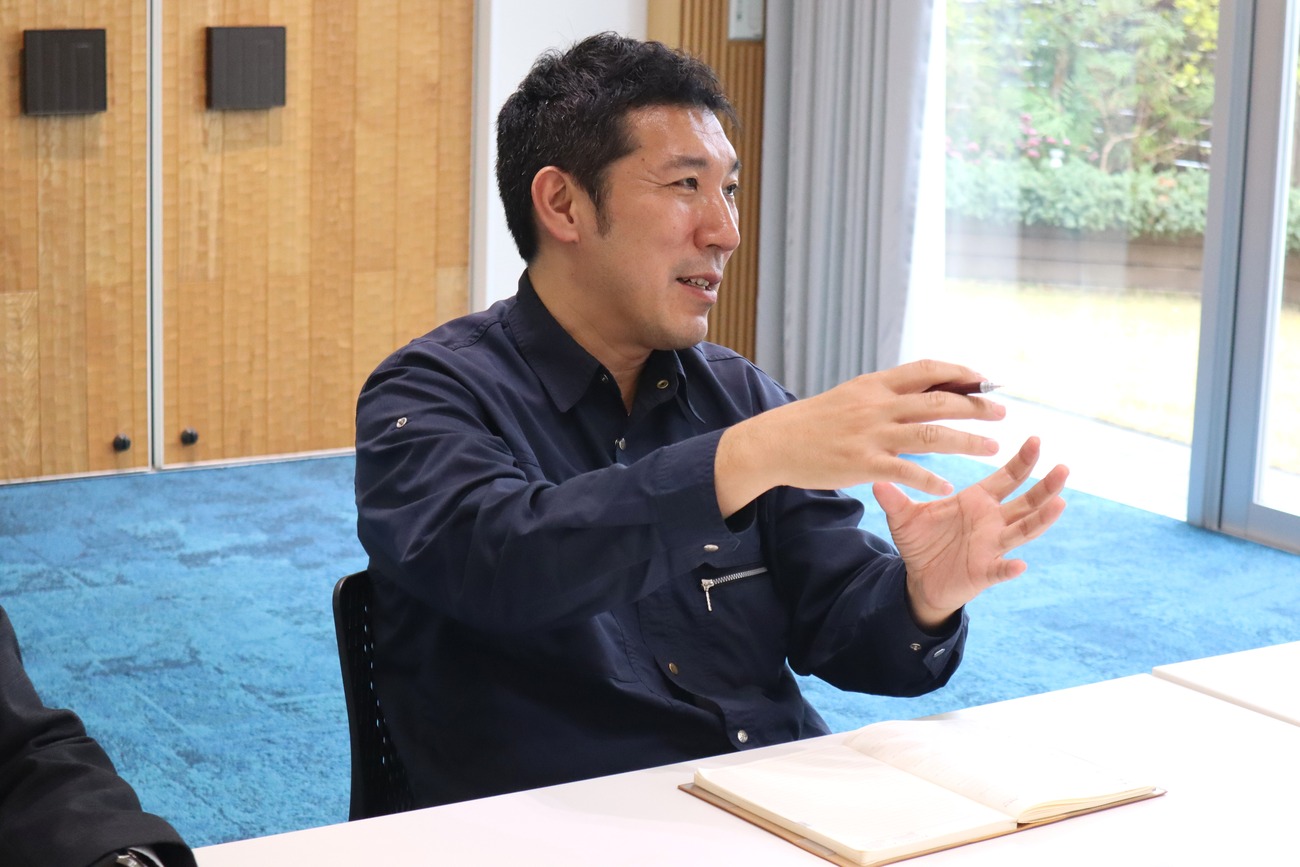
Teiji Fujimoto of Shoyeido, who oversaw the incense production
The breakthrough came from revising the shape.
A major turning point in the project was the revision of its shape. Initially, the development was based on the assumption that the blocks would be more three-dimensional than they are now. However, with the “fire spreading” problem still unresolved, mrk suggested, “How about using a cookie mold shape?”
“We wanted to vary the shape and color of each block as much as possible so that it would be clear that each one represents a different ‘time’.” As this suggests, upholding the core concept of “structuring time” as part of the experience design is a fundamental prerequisite. Furthermore, they thought that using a cookie mold would make it easier to form the material into various shapes, and that it would be more flammable than a three-dimensional block.
Rather than clinging to the award-winning proposal, they will update it into a feasible form while preserving the core concept. That decision brought “tokiwokumu” much closer to becoming a real product.
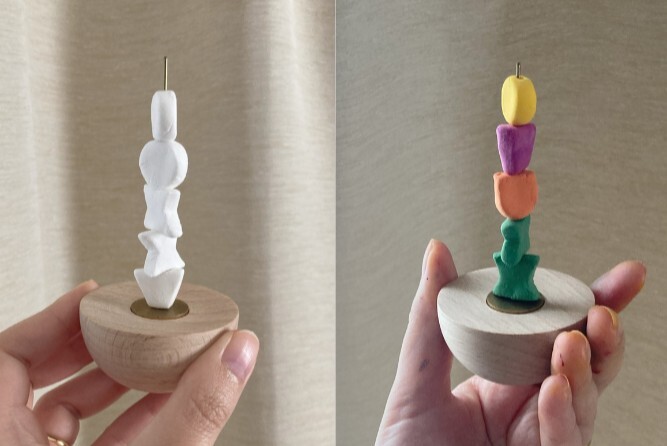
A prototype cookie mold made by Ms. Takeichi of mrk using paper clay
Of course, the shape wasn’t the only difficulty. Mr. Tsuji candidly remarks, “If I hadn’t been so particular about the fragrances, we might have been able to complete it much sooner.” However, there’s no point in naming an incense “POSITIVE” or “REFRESH,” if the fragrance doesn’t align with that impression. Fragrance, shape, and safety. Since all of these conditions had to be met, this development project became extremely difficult.
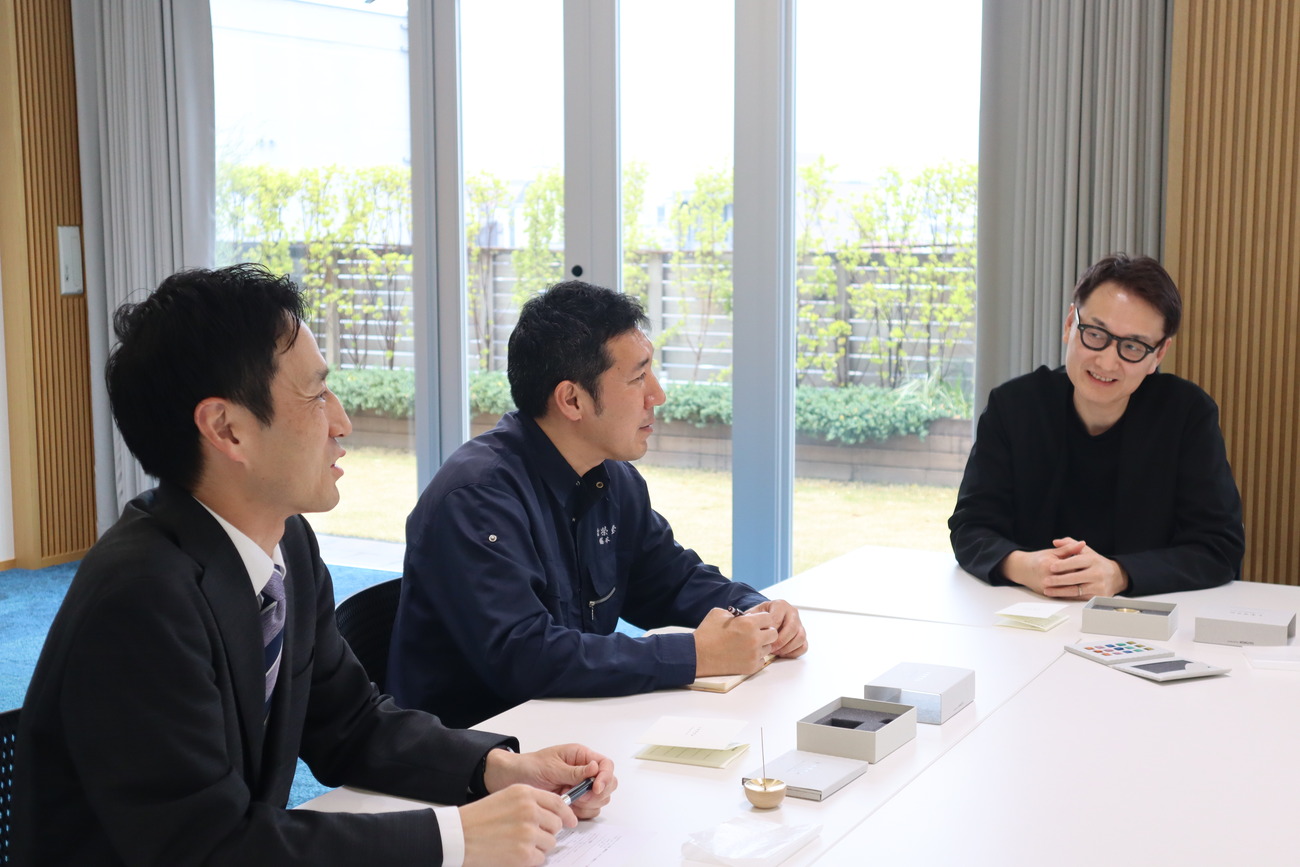
Mr. Ueda of mrk and Mr. Tsuji and Mr. Fujimoto of Shoyeido reflect on the journey to completing the product
In developing the fragrance, Mr. Fujimoto of Shoyeido designed each block to be “pleasant on its own, yet only come together to form a complete fragrance when combined.” If the fragrance in each block is too strong, then only that one will stand out. On the other hand, if the fragrance is too faint, the woody scent of the molding powder will overpower it. The process of finding a balance that wouldn’t cause problems no matter which combination was used was truly a continuous series of persistent trial and error.
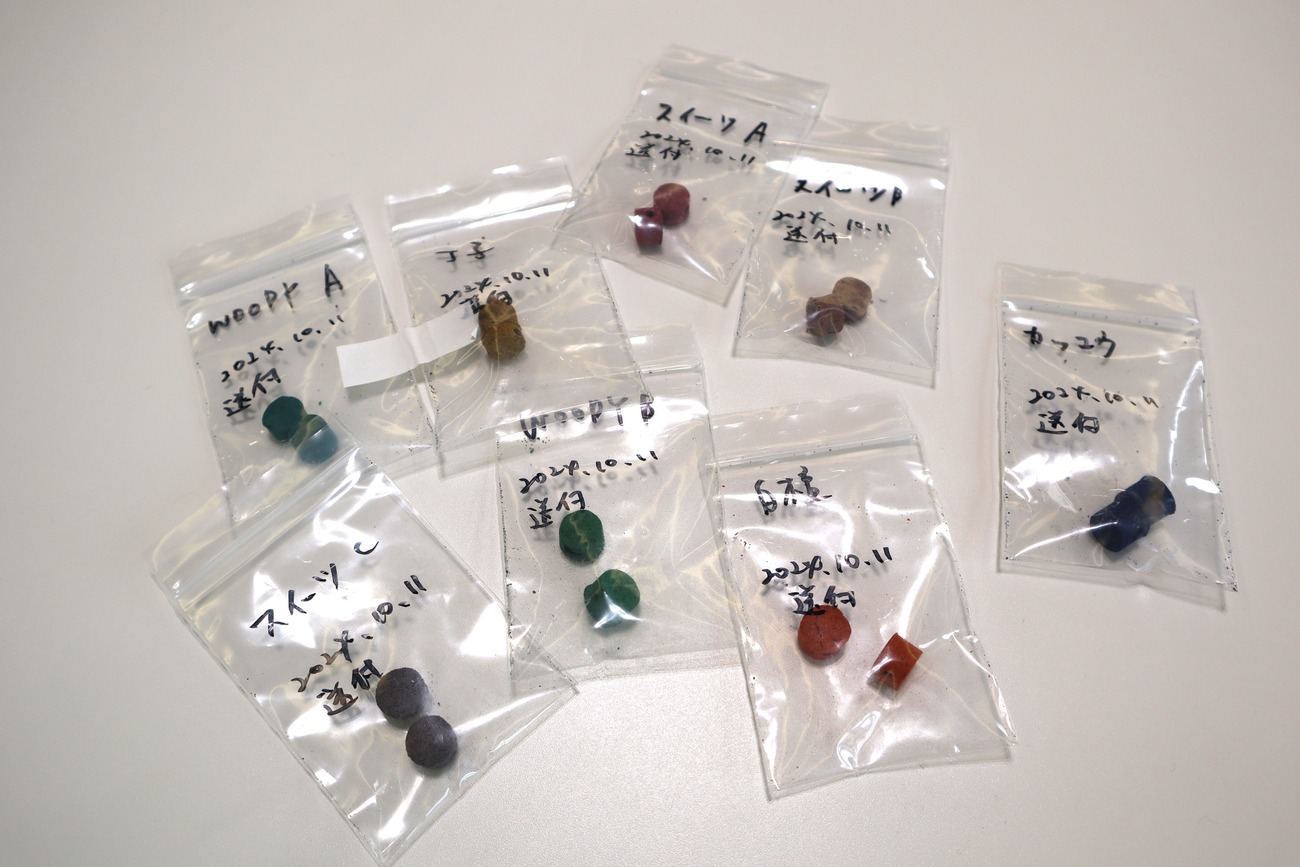
A variety of prototypes created by Mr. Fujimoto of Shoyeido. He pursued the ideal balance by blending many different fragrance combinations.
Furthermore, it’s not just the content that makes the experience what it is. Regarding the packaging design, Aya Homma of KOKUYO said, “We focused on ensuring that the arrangement of five different shapes and colors would visually convey at a glance that these items are meant to be combined, without the need for further explanation.” The user should be able to imagine how to combine them at a glance. It should be easy to take out and durable. It should minimize any anxieties before starting to use the product. Such meticulous attention to detail is also an important element that enhances the “tokiwokumu” experience.
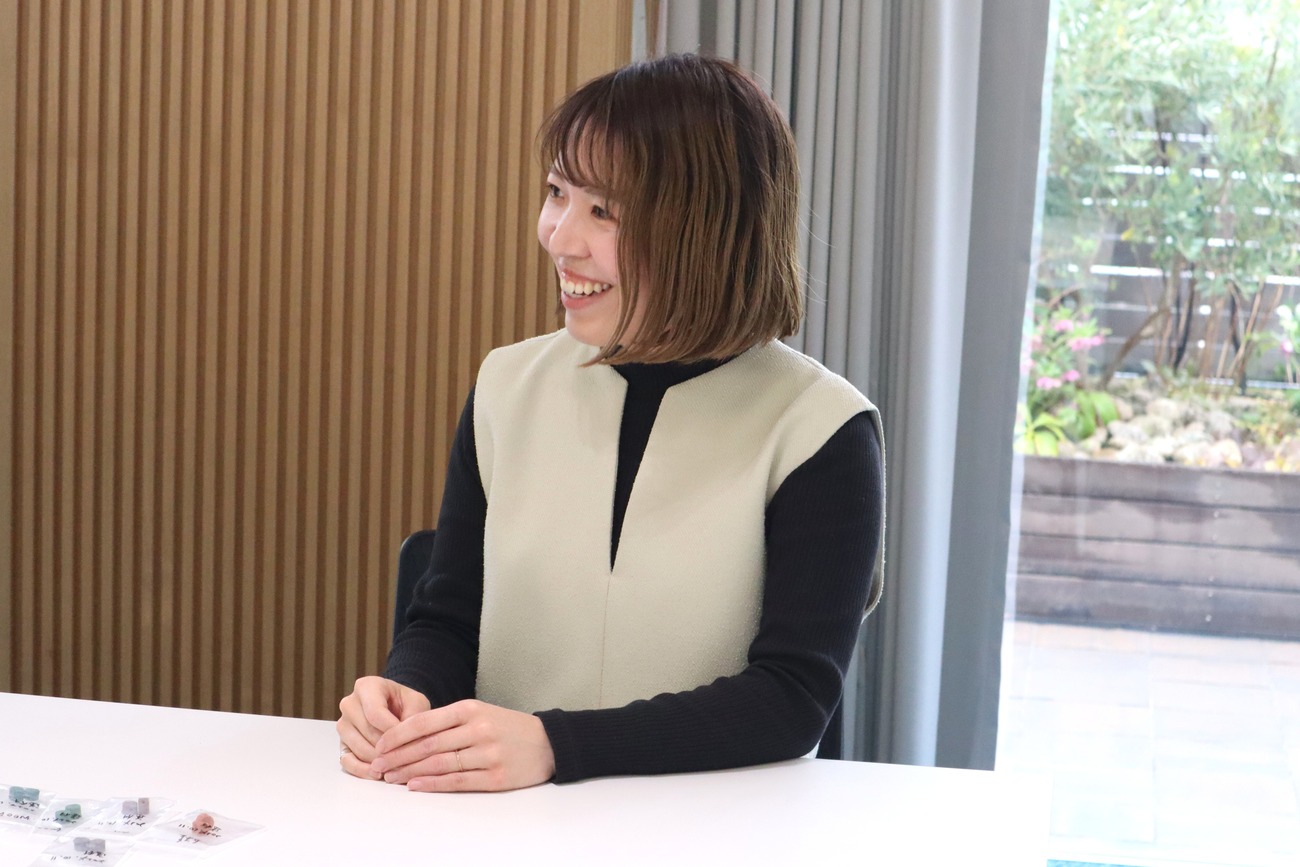
Aya Homma of KOKUYO, who oversaw product development
It was precisely because no one gave up that we were able to overcome it.
After two years, “tokiwokumu” has finally been brought to market. During the development period, they faced various obstacles, but it is said that not a single person ever complained. Mr. Tsuji of Shoyeido reflects that, having been entrusted with a mission as an incense professional, he felt strongly that it would be meaningless unless he rose to the challenge. Through this project, they realized once again that the power of a team is unleashed when they face challenges that go beyond their usual scope.
It is only by translating the award-winning concept into practical technology and quality, while staying true to its core, that it becomes a product that reaches the hands of consumers. The commercialization of “tokiwokumu” has been a project that has reminded us anew of the difficulty and value of what we often take for granted. And most importantly, not a single person gave up in the face of this unprecedented challenge. Perhaps that very fact is the other value contained within these small blocks.
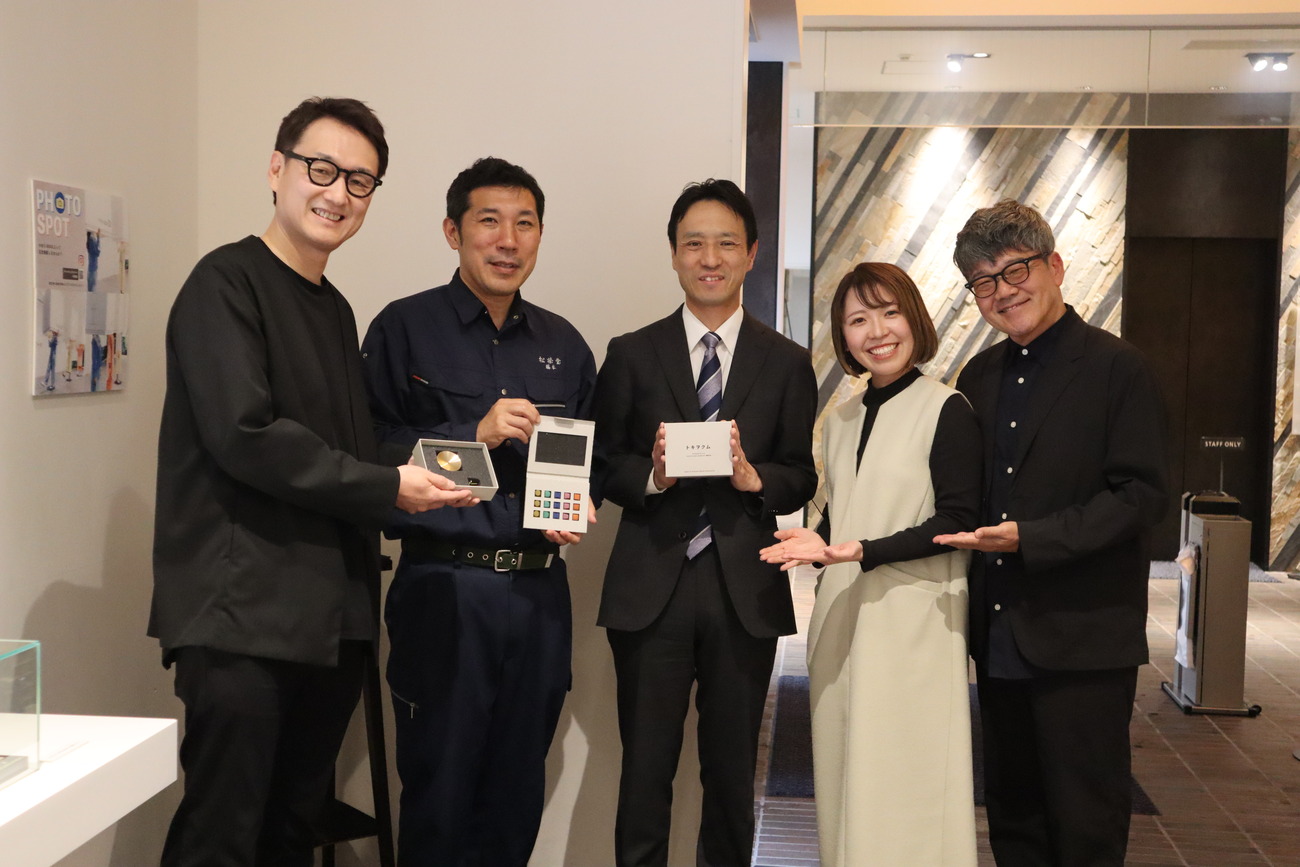
At Kunjyukan, a facility operated by Shoyeido in Kyoto to widely promote Japanese incense culture
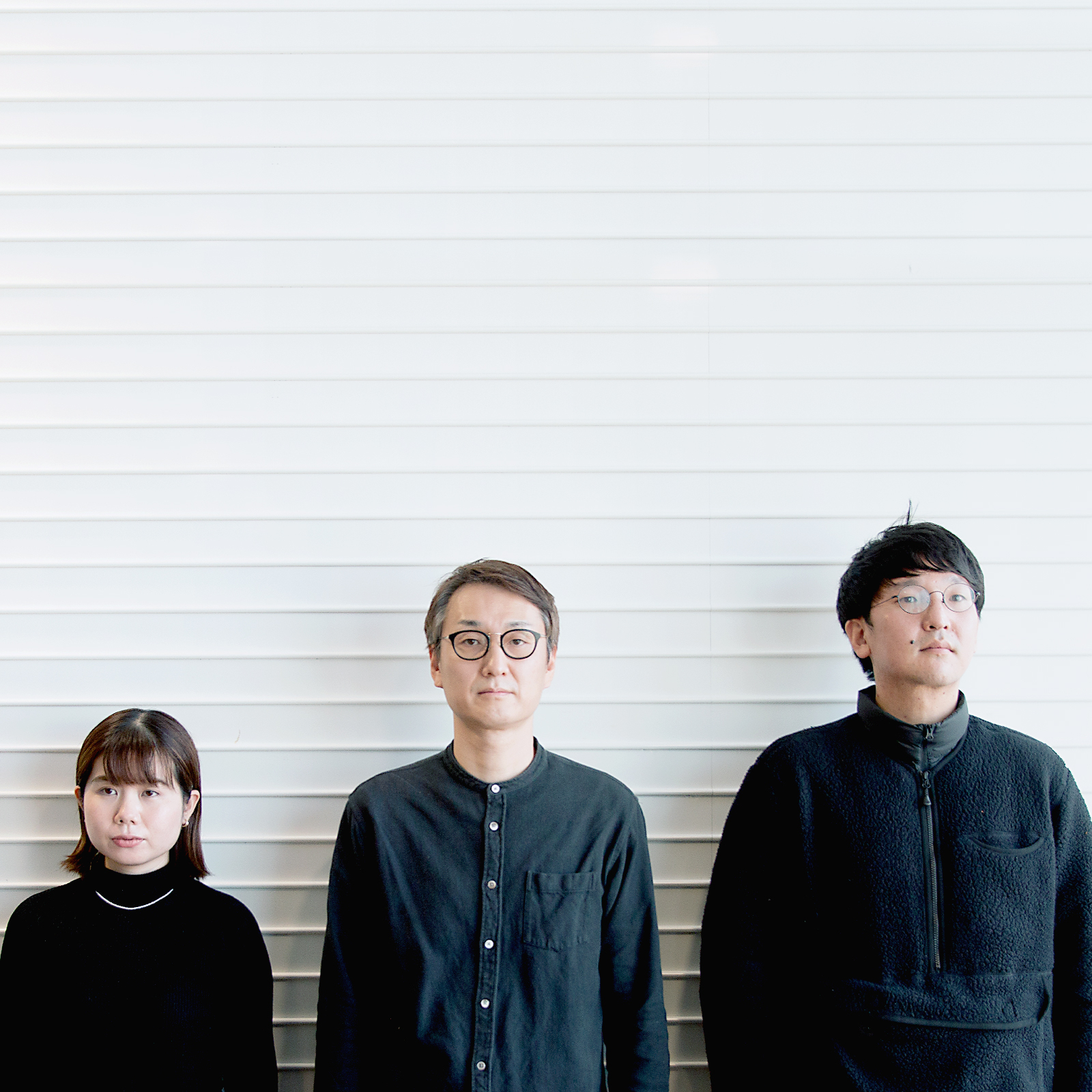
The creators of “tokiwokumu” (from left: Miho Takeichi, Kazumi Ueda, and Ryo Kobayashi)