Interviews with Past Winners
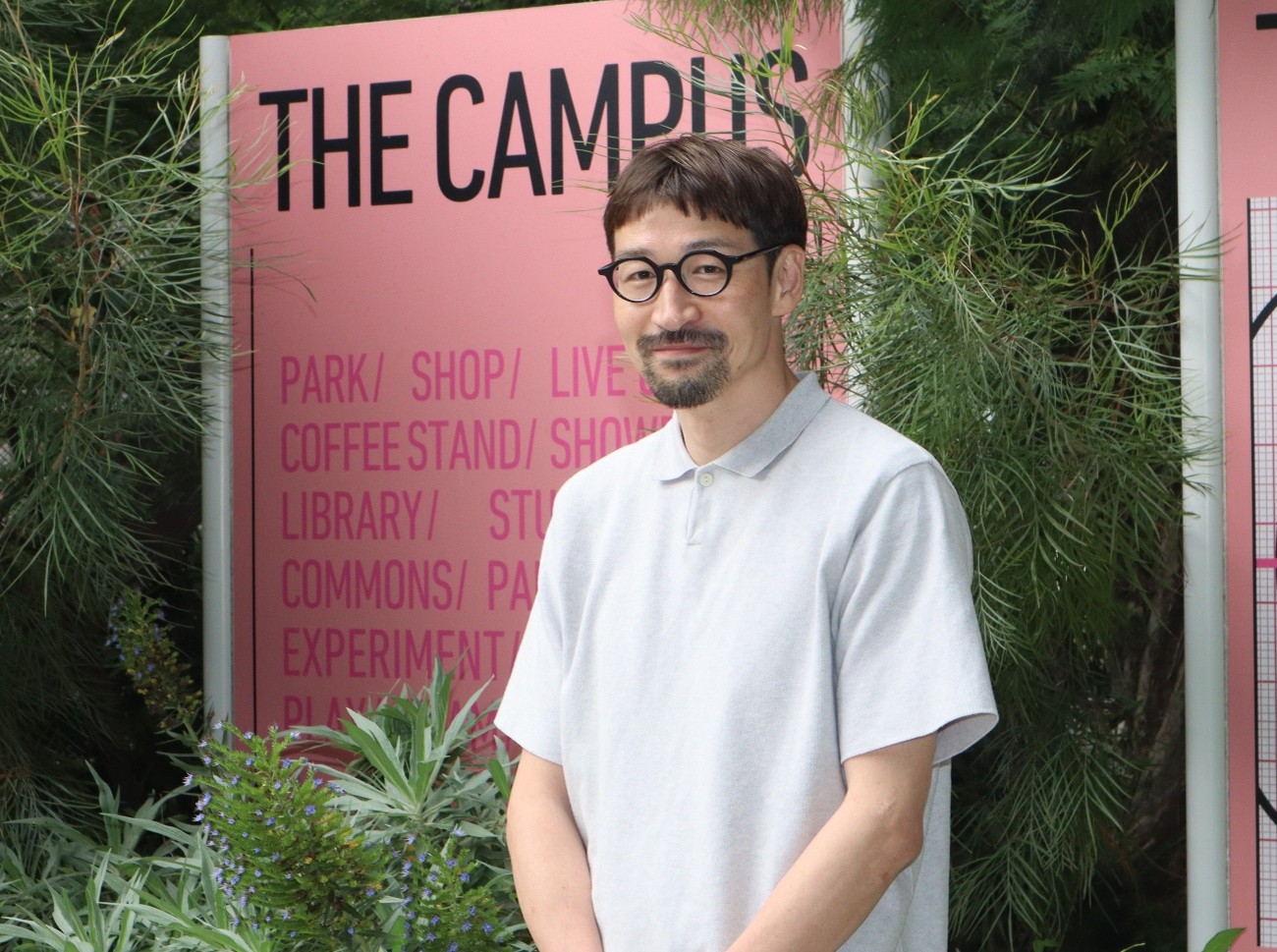
Hiroki Kannari
“Before Note”
2026 Grand Prix
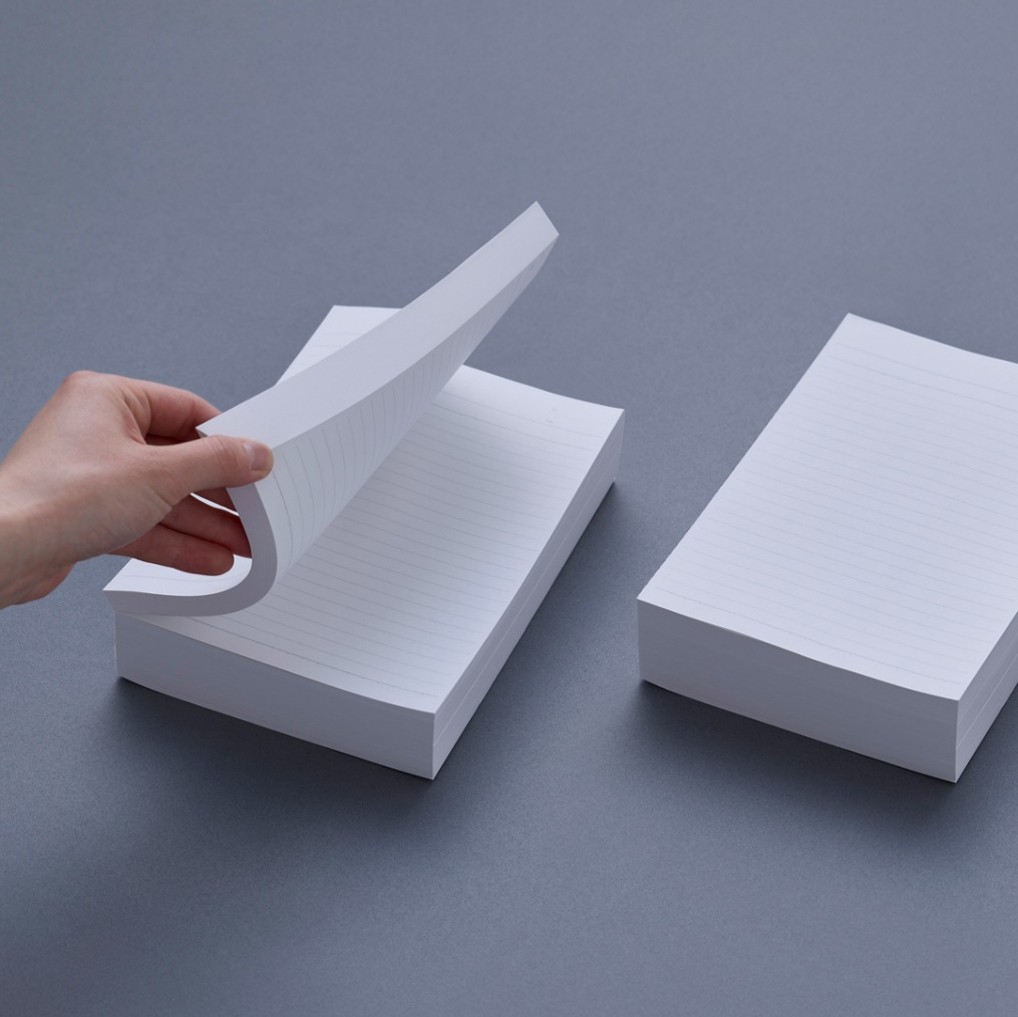
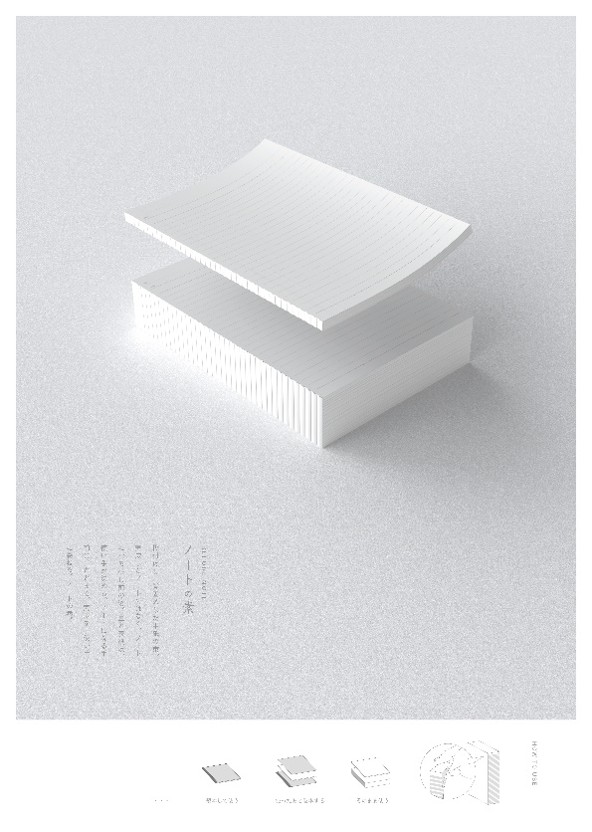
“Before Note” by Hiroki Kannari, the Grand Prix-winning entry of the KOKUYO DESIGN AWARD 2026. This product consists of bundles of paper glued together at the spine, allowing users to tear off only the number of sheets they need and bind them into a notebook that suits their preferences.
By offering it in a state “just before it becomes one,” rather than as a finished notebook, it gives users greater freedom while opening up new possibilities for manufacturers and retailers alike. Behind the idea is Kannari’s long-standing question: What should we truly be creating in an age of abundance?
In an age of abundance, what should we create?
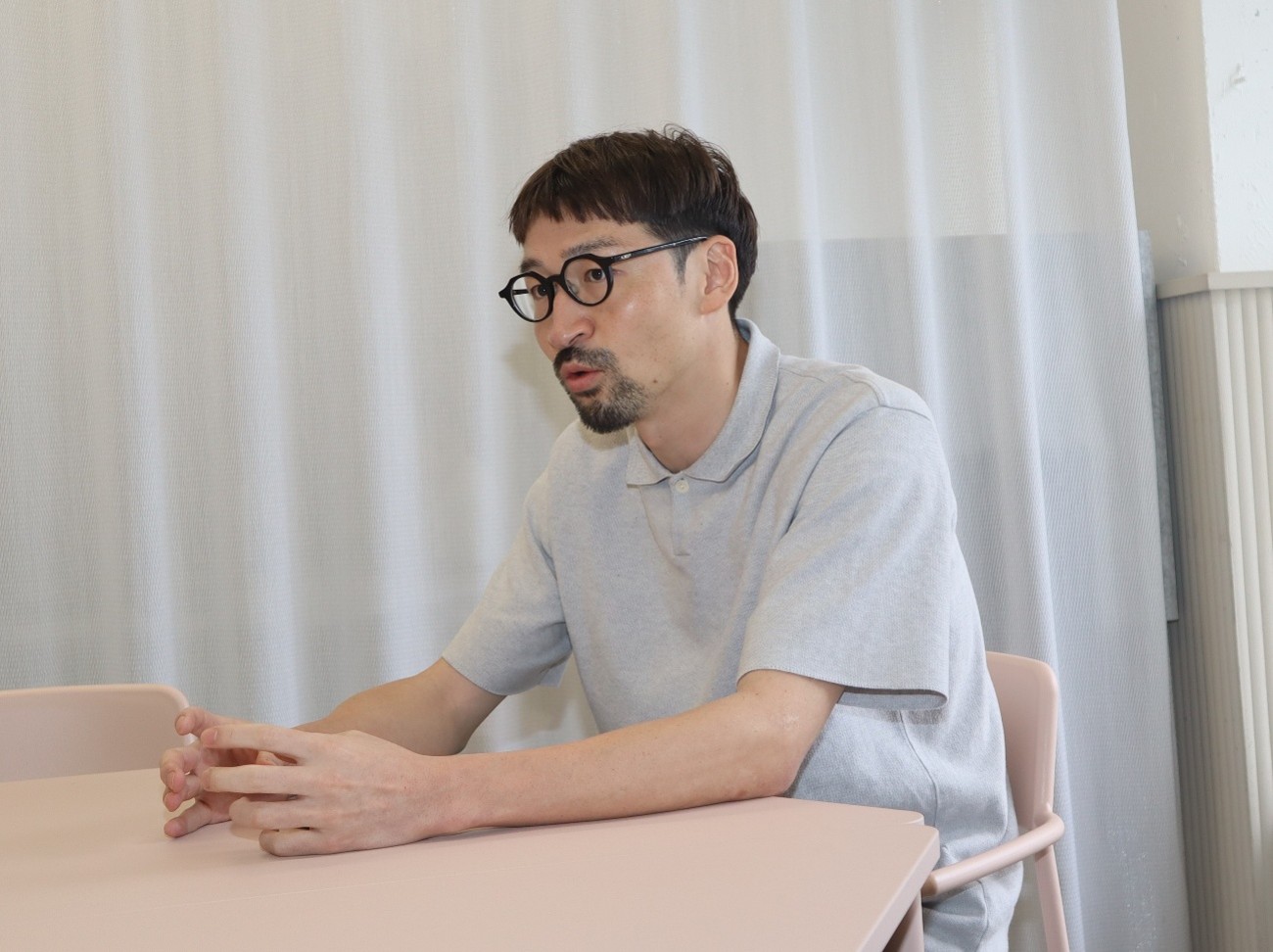
Hiroki Kannari, Grand Prix Winner of the KOKUYO DESIGN AWARD 2026
―― To begin with, what inspired you to enter the KOKUYO DESIGN AWARD?
Kannari: I’ve entered the KOKUYO DESIGN AWARD several times before. I work in product planning and design at a home appliance manufacturer. Recently, however, I have become more involved in management, and I felt that I had fewer opportunities to create things myself as a designer. Even so, I wanted to continue having opportunities to give form to my own ideas and perspectives and pose questions to the world.
Last year (when I submitted my entry), I had decided to place greater importance on creative work outside of my job, which made me want to take on the challenge once again with renewed commitment.
―― How did you interpret the 2026 theme, “HAMON —Design that Resonates”?
Kannari: When I saw the theme “HAMON,” I wanted to propose something that would spread through society and make it a better place. In my work, I’m constantly striving to create new forms and values, and I believe that’s an important role for a manufacturer.
On the other hand, as markets mature and choices continue to multiply, I felt that this abundance was creating burdens and fatigue for manufacturers, retailers, and users alike. Perhaps there is more value in rethinking our very way of looking at things than in simply increasing the number of new finished products. That idea ultimately led me to the concept of a “semi-finished” product, the central focus of my proposal.
―― How did that idea develop into Before Note?
Kannari: I often use copy paper for rough sketches and notes. I like the freedom of being able to use it however I want and take only the number of sheets I need.
At the same time, notebooks offer continuity and lasting value. However, in reality, there are times when you reach for a new notebook before finishing the old one, simply because you want a fresh start or want to begin writing neatly again.
Another source of inspiration came during a visit to my parents’ home for the New Year holidays. My mother had torn out unused pages from her middle school civics notebook from decades ago and was using them as a household account book. Seeing that made me realize that even a universal tool like the notebook still had room to be optimized.
The feeling between copy paper and a notebook, and the existence of unused pages I saw at my parents’ home. As I reflected more deeply on those personal experiences and questions, I gradually arrived at the idea for Before Note.
Leaving room for users to shape the design
―― What did you prioritize when preparing your presentation sheet for the first round?
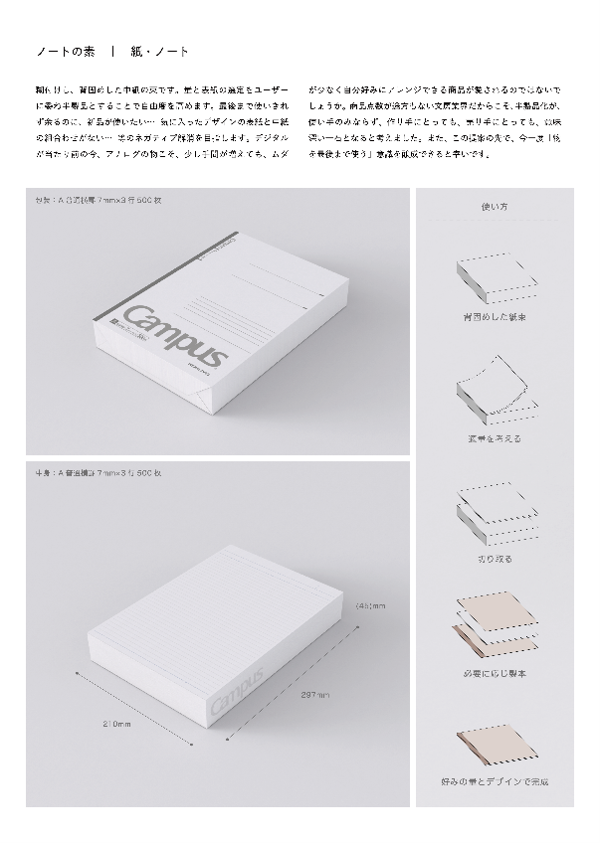
Kannari: In the initial proposal stage, I focused on conveying the product’s presence and how it would be used as simply as possible, rather than showing specific ways to use it. I thought that presenting a single way of use would lead people to view it in only that way. I wanted to leave room for each person to imagine their own unique uses and possibilities. Rather than defining a finished form, value is created through the involvement of the users. Conveying that idea was what mattered most to me.
―― How did you approach developing the prototype?
Kannari: This proposal was quite minimal and primitive, so I felt it was necessary to carefully design not only the concept but also the user experience. It needed to maintain its strength while allowing users to separate only the number of sheets they needed comfortably. I explored a variety of approaches to find that balance. The solution I eventually arrived at was applying the glue in a perforated pattern.
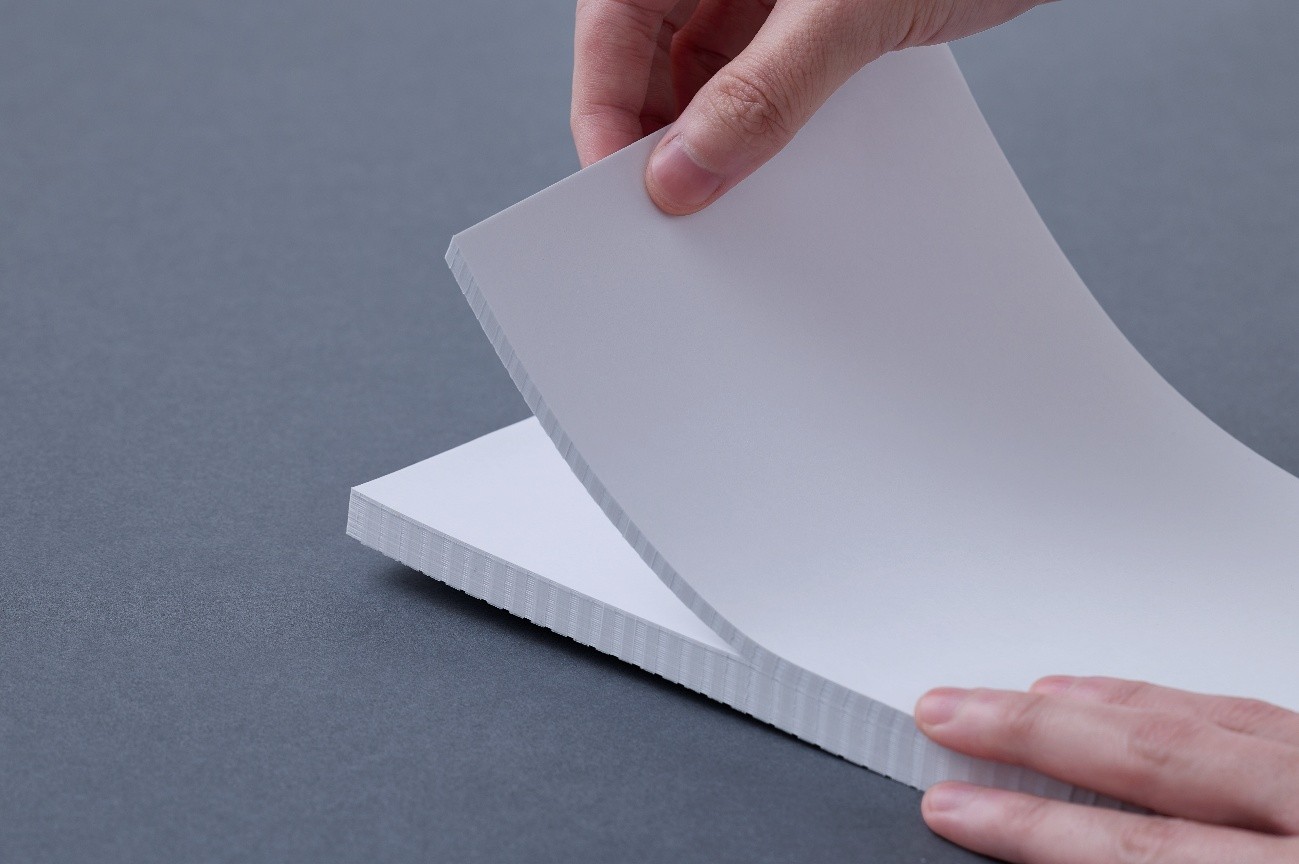
Applying the glue in this way provides enough strength while allowing the pages to be separated easily.
―― How did you validate the idea?
Kannari: I initially consulted a printing company I knew. I learned about adhesives used for bookbinding and tried several of them. But when I applied it to the entire spine, trying to remove a single sheet would pull other sheets with it, so it couldn’t be separated properly.
This led me to wonder if applying the glue in a perforated pattern would allow the pages to separate with a satisfying snapping motion. I bought several types of glue, made a custom jig myself, and even consulted with a local metalworking company to make a metal masking plate.
Stacked copy paper, placed the metal plate on top, and applied the glue with a brush. I repeated this process by hand over and over again. Before I knew it, I had ordered about 20,000 sheets of copy paper online (laughs).
What I focused on most was finding the right balance between ease of separation and sufficient strength. The pages shouldn’t come off by flipping through them, but they should separate when pulled with a little force. Moreover, they should come away with a satisfying peel. That was the feeling I kept working toward.
To convey value like quiet ripples
―― What did you keep in mind when preparing your presentation for the final judging?
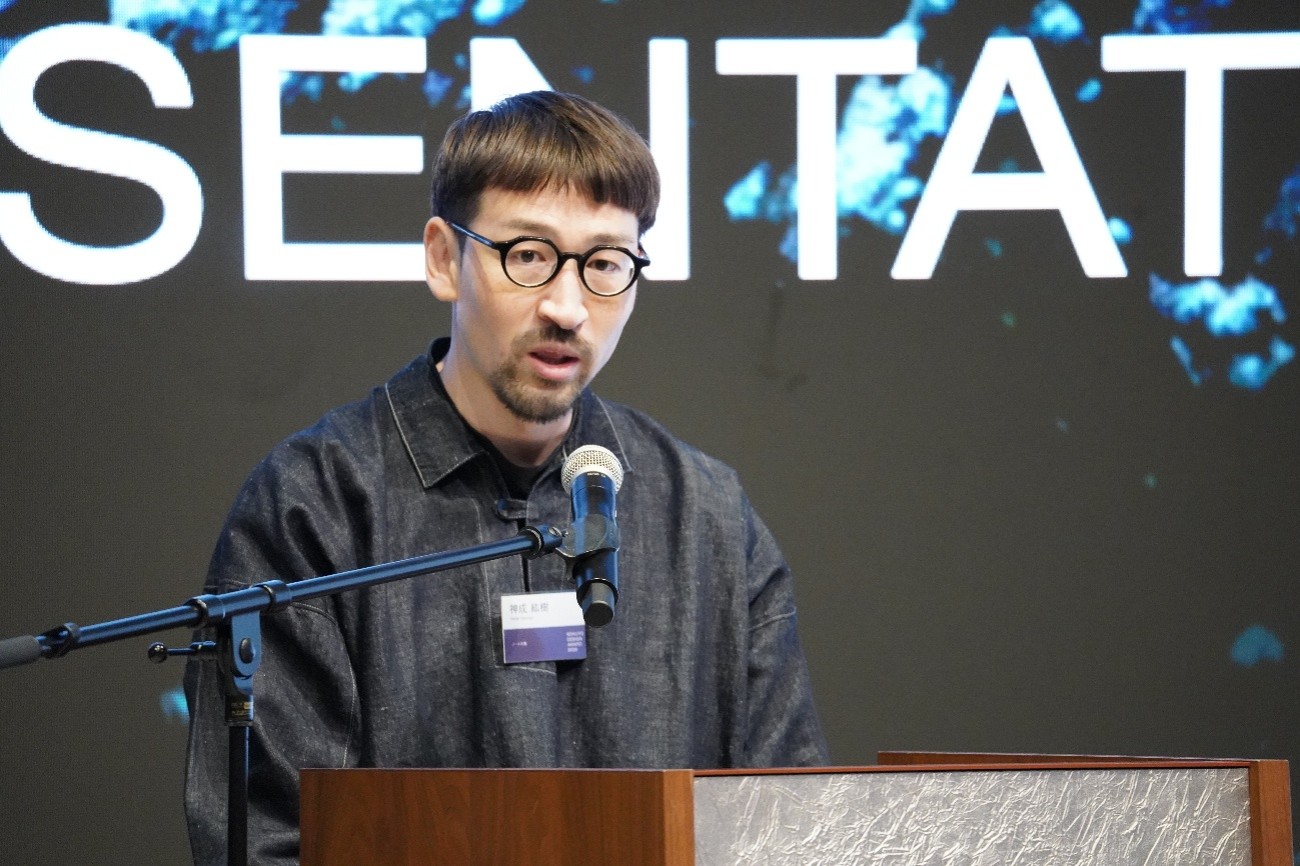
Mr. Kannari during his presentation
Kannari: I was conscious of the different roles played by the presentation, the prototype, and the board.
In the presentation, I focused on conveying the challenges, the background behind it, and how Before Note differs from conventional notebooks. In particular, I used diagrams and process charts to explain how the processes of making and using notebooks would change with Before Note. I also wanted to avoid having it perceived as “a notebook you bind yourself,” so I deliberately avoided emphasizing specific usage examples.
On the other hand, with the prototype that the judges examine firsthand, I included notebooks that had actually been bound from separated pages, along with an instruction sheet, so they could clearly understand the thinking behind the proposal and the possibilities it offers.
As for the board, which would be viewed during the judges’ discussion after the presentation, I took the opposite approach. I kept the explanations to a minimum and opted for a minimal, graphic design that evoked quiet ripples spreading into the distance.
―― Were there any comments from the judges that particularly stayed with you?
Kannari: One comment that has stayed with me was when Nao Tamura described it as “a pure proposal.” This proposal was built on the beauty and strength of paper itself. It was an attempt to rediscover and refine the value of paper in its purest form. I was delighted that she recognized that aspect of my proposal.
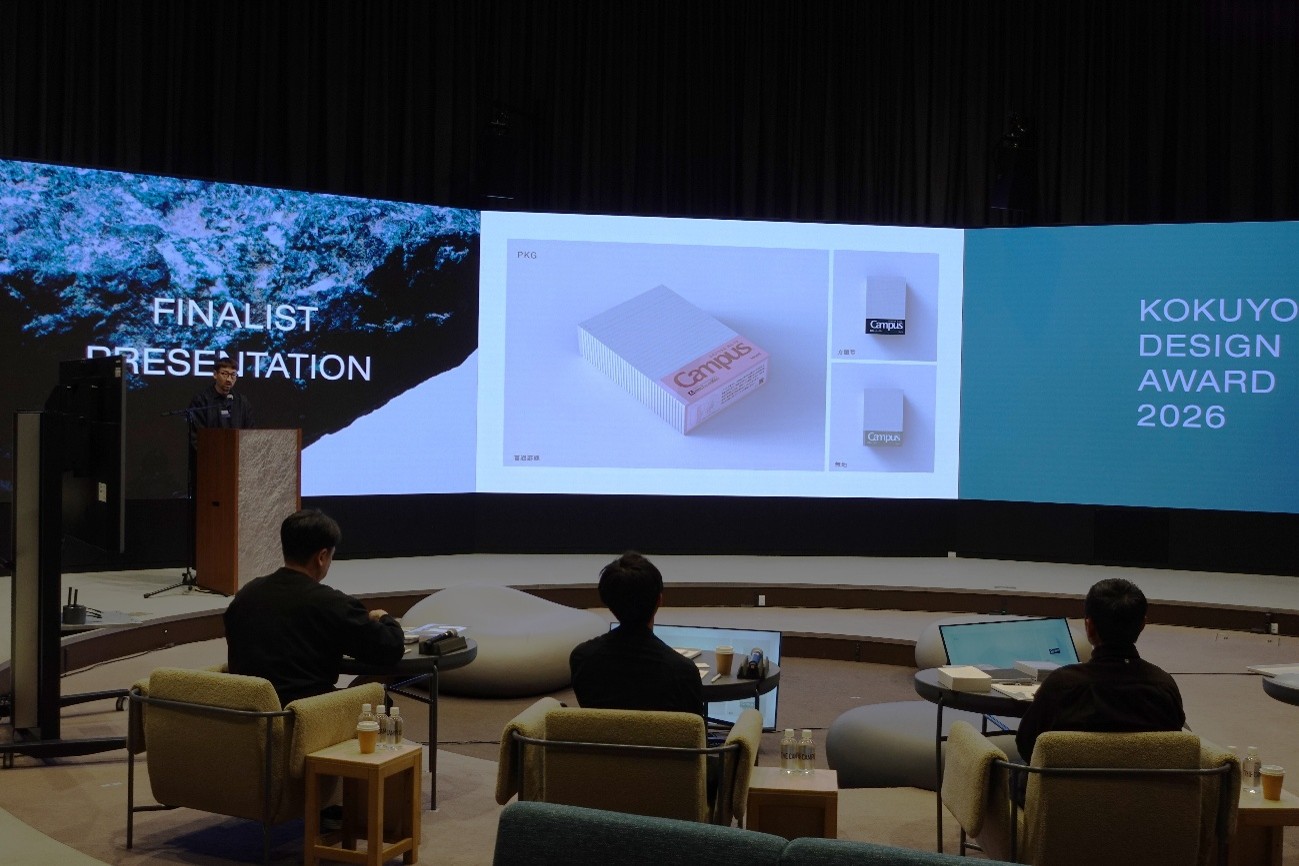
Kannari also proposed a packaging design incorporating the design code of KOKUYO’s Campus notebook.
I want to be a designer who constantly asks “Why Create?”
―― Looking back on the journey from submitting your entry to winning the Grand Prix, what was the most challenging part?
Kannari: Putting my thoughts into words was the hardest part. In other words, I struggled to translate the feelings and sense that something wasn’t quite right into a proposal that could stand on its own. I wanted to propose not only the functions and usage, but also the underlying philosophy. As I put together the presentation materials, I gradually clarified my own ideas while refining both the structure of the presentation and my choice of words. Rather than relying on nuance, I wanted to make sure my intentions were communicated clearly.
―― What would you like Before Note to become in the future?
Kannari: This may sound a bit ambitious, but I hope that in 10 or 50 years, it will become one of the standard forms of notebooks. I dream of a future where Before Note sits alongside conventional notebooks, with every household having a copy.
I feel that having Before Note will actually help people value conventional notebooks even more. It makes you appreciate the weight of a single notebook, in a new way. I’m sure there are people like me who never use up a notebook. But that may also be because they value each notebook so much that they hesitate to keep using it. I would be very happy if Before Note can make that hesitation just a little easier.
―― Having received this award, what kind of design has become even more important to you?
Kannari: It’s difficult to define good design in a single sentence. Lately, however, I’ve found myself drawn to products with a clear reason for existing.
No matter how beautiful or refined a design may be, I feel it’s difficult for people today to appreciate its value if they can’t see the question behind it. Because we live in an age of abundance, I believe that what matters is not only appearance or functionality, but also the thinking behind them.
Receiving this award has made me realize that the feelings and questions I carry within myself are not simply problems to be solved. They can also become the starting point for new value. The role of a designer shouldn’t be limited to create more products. I want to be a designer who thinks deeply about what truly deserves to be created, including the option of proposing not to create something at all when appropriate.
―― Finally, do you have a message for those considering entering the KOKUYO DESIGN AWARD in the future?
Kannari: I believe the KOKUYO DESIGN AWARD is a competition that looks beyond the initial idea and evaluates how thoroughly you refine it.
There are times when it can be frustrating to keep struggling and thinking, but it’s also rewarding to see your ideas gradually take shape. I hope you trust the questions and the sense that something isn’t quite right within yourself, and keep exploring them to the very end.