NEWS
New Judge’s Interview
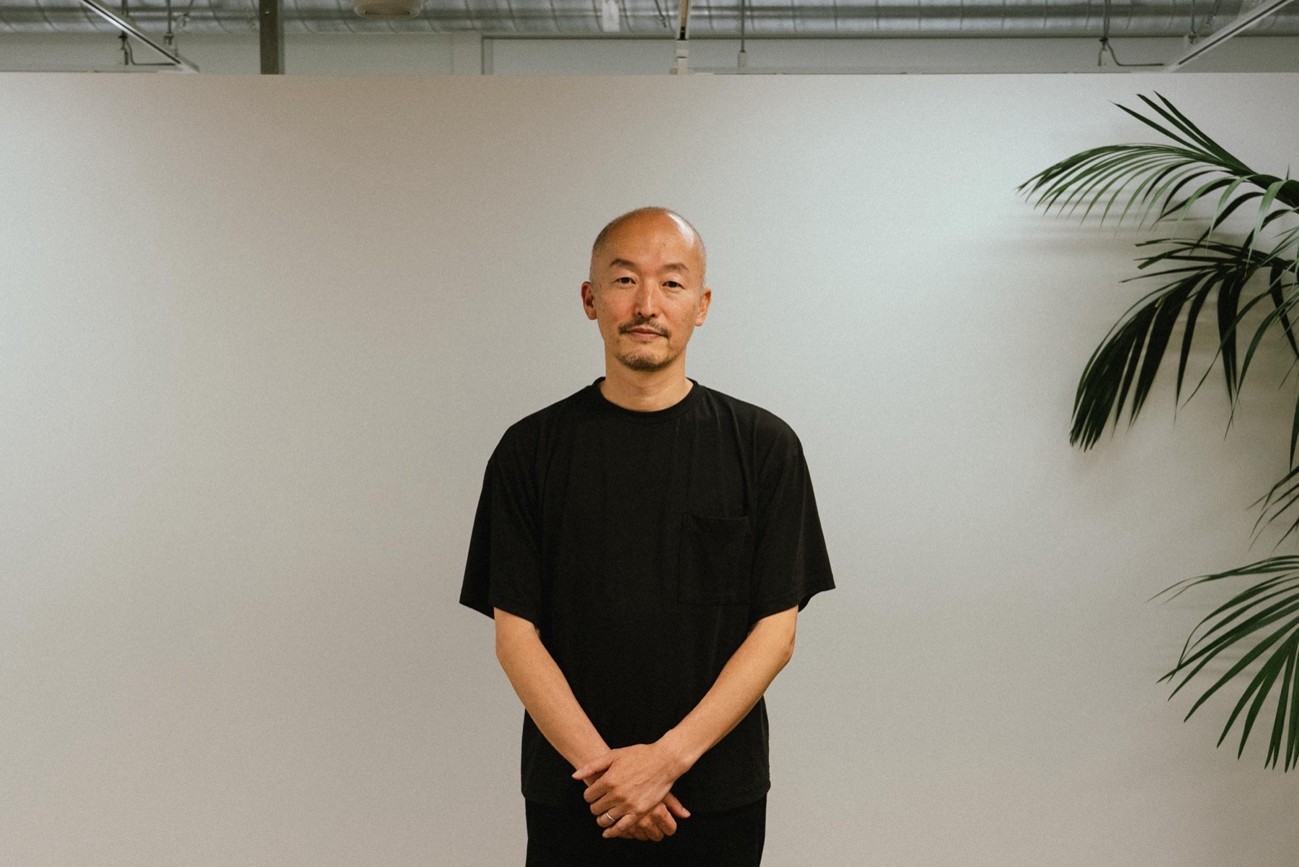
Gen Suzuki has been appointed as a judge for the KOKUYO DESIGN AWARD 2027. We spoke with Mr. Suzuki, a product designer active in many fields, about his work, his thoughts on design, and his expectations for the judging process.
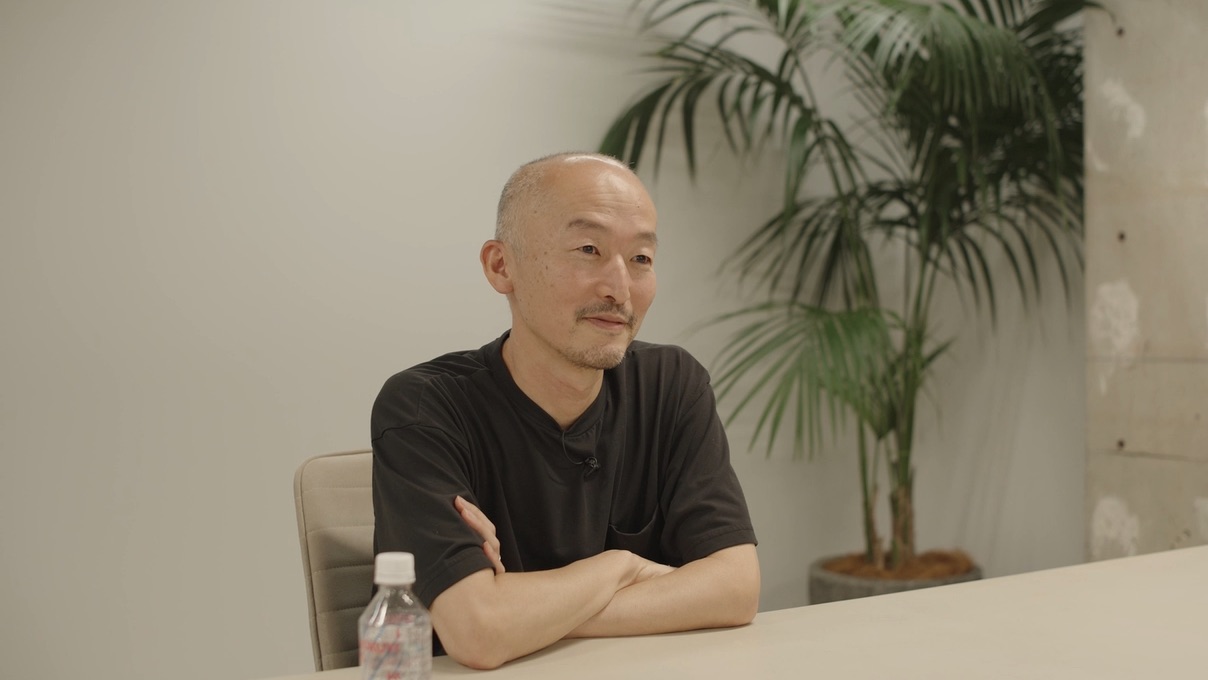
―― Could you tell us about your recent work?
At the beginning of this year, I partnered with a furniture manufacturer called Wood You Like Company (WOOD YOU LIKE COMPANY) (located in Akishima, Tokyo) to launch a line wooden chairs and tables. Then in Osaka, I partnered with OOHARA DENSEN a manufacturer of electrical wires, to produce our own extension cords. As an electrical wiring company, there’s usually a lot of subcontracting work, but we started the project from the very beginning with listening to everyone’s strengths and ideas and asking, “What exactly do we want to build?” In order to create a new product, the company decided to challenge itself with technologies it didn’t have, and together we visited molding and resin companies, working on this project for six years.
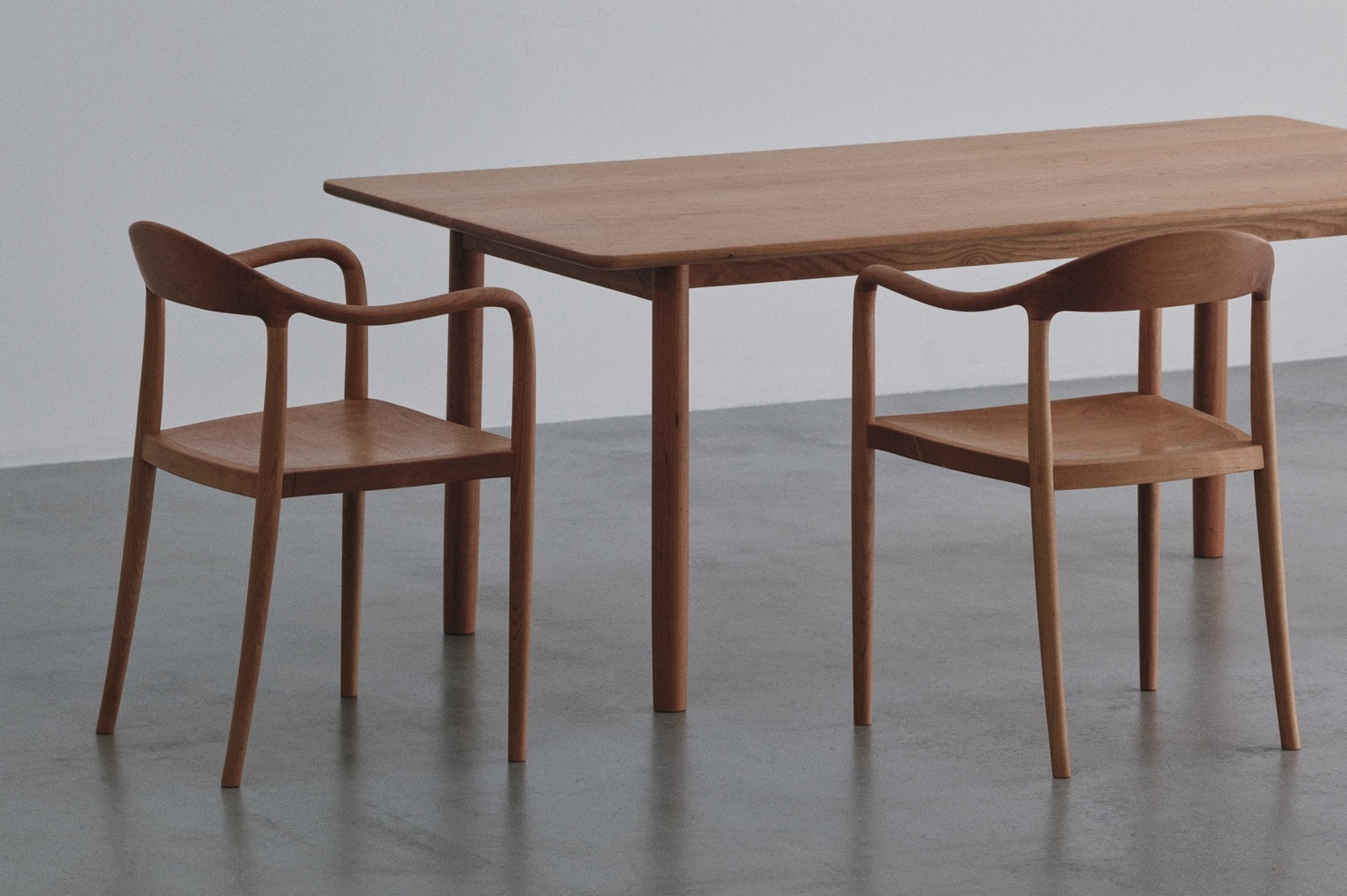
The “MIO” collection, a collaboration between Wood You Like Company and Gen Suzuki
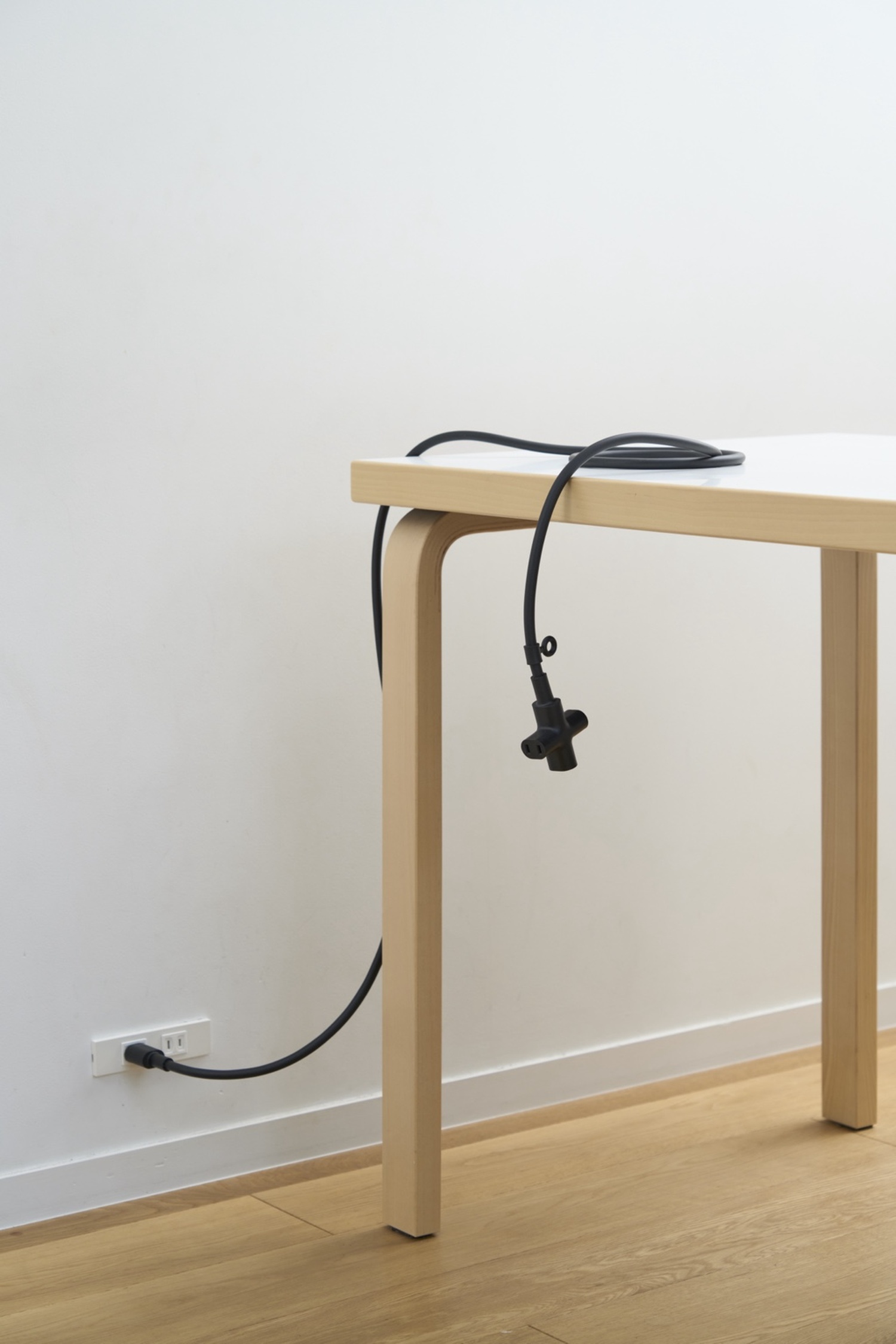
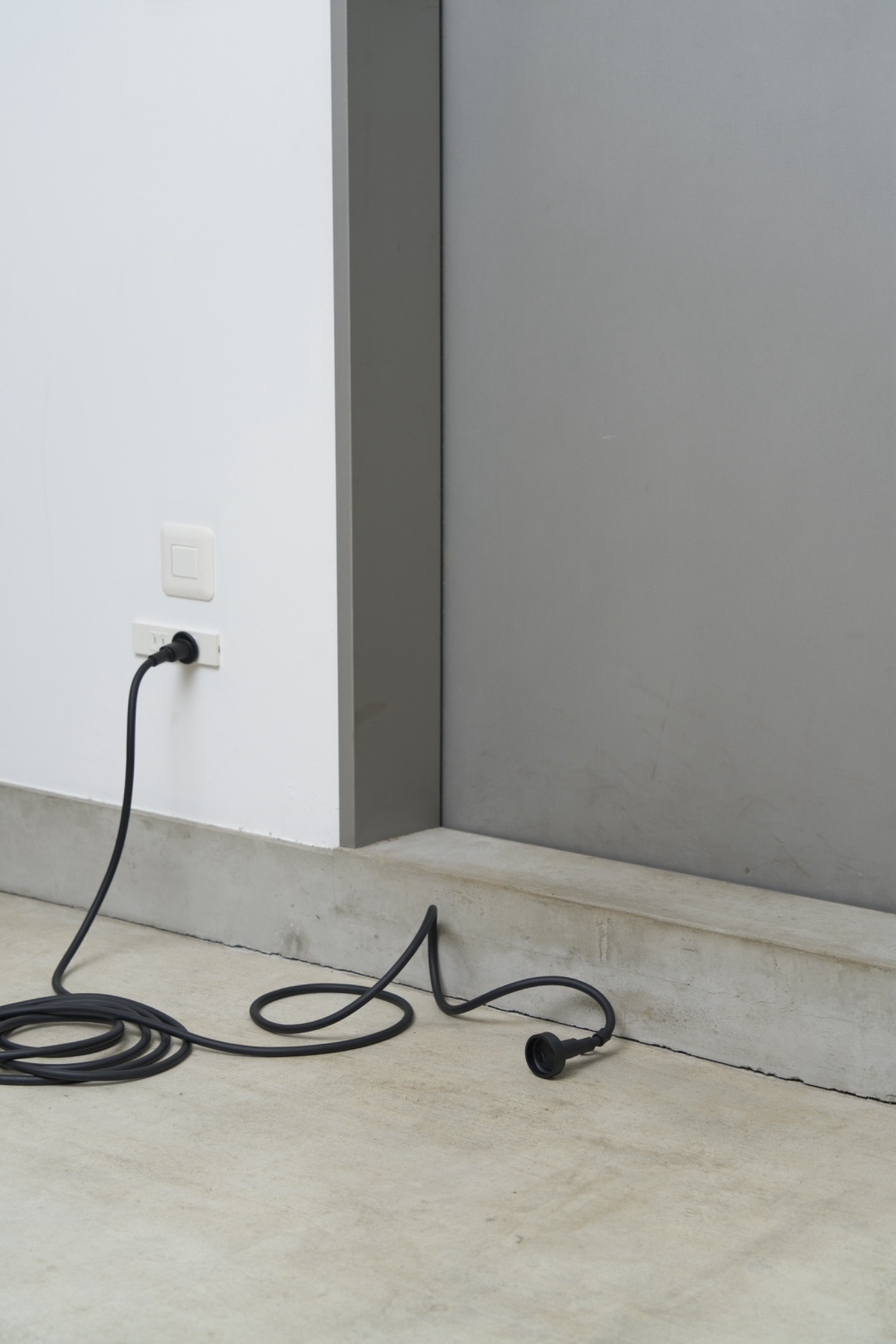
Photo: Gottingham
“HIGASHIOSAKA FACTORies” extension cord, a collaboration between OOHARA DENSEN and Gen Suzuki.
―― That sounds like work similar to corporate branding.
That may very well be one aspect of it. However, rather than bringing in something new from the outside to create a design, I try to draw out the characteristics and potential that already exist within the company. WYLC has many highly skilled craftsmen, so I thought about how we could best utilize their skills and talents.
OOHARA DENSEN is a family business, and everyone there is very honest and straightforward in how they run their business. I hoped that this simple and practical feel would be reflected directly in the design. Rather than focusing on branding, I was more concerned with how to condense the atmosphere of the company and the passion of the people who work there into a tangible form.
Design that creates harmonious relationships with its surroundings
―― After graduating from university, you worked as an in-house designer for a Japanese manufacturer, studied at the RCA, and worked at an overseas design firm before becoming independent. Has the way you think about design also changed?
I feel like I’m still doing pretty much the same things as before. When I was working in-house, I think there was a demand to create products with a strong, unique identity and stand out as standalone items, which was characteristic of the times. I think that kind of atmosphere existed in design education back then as well. Personally, however, I’ve come to believe that the important aspect of design lies not so much in individual beauty, but in creating harmonious relationships with its surroundings.
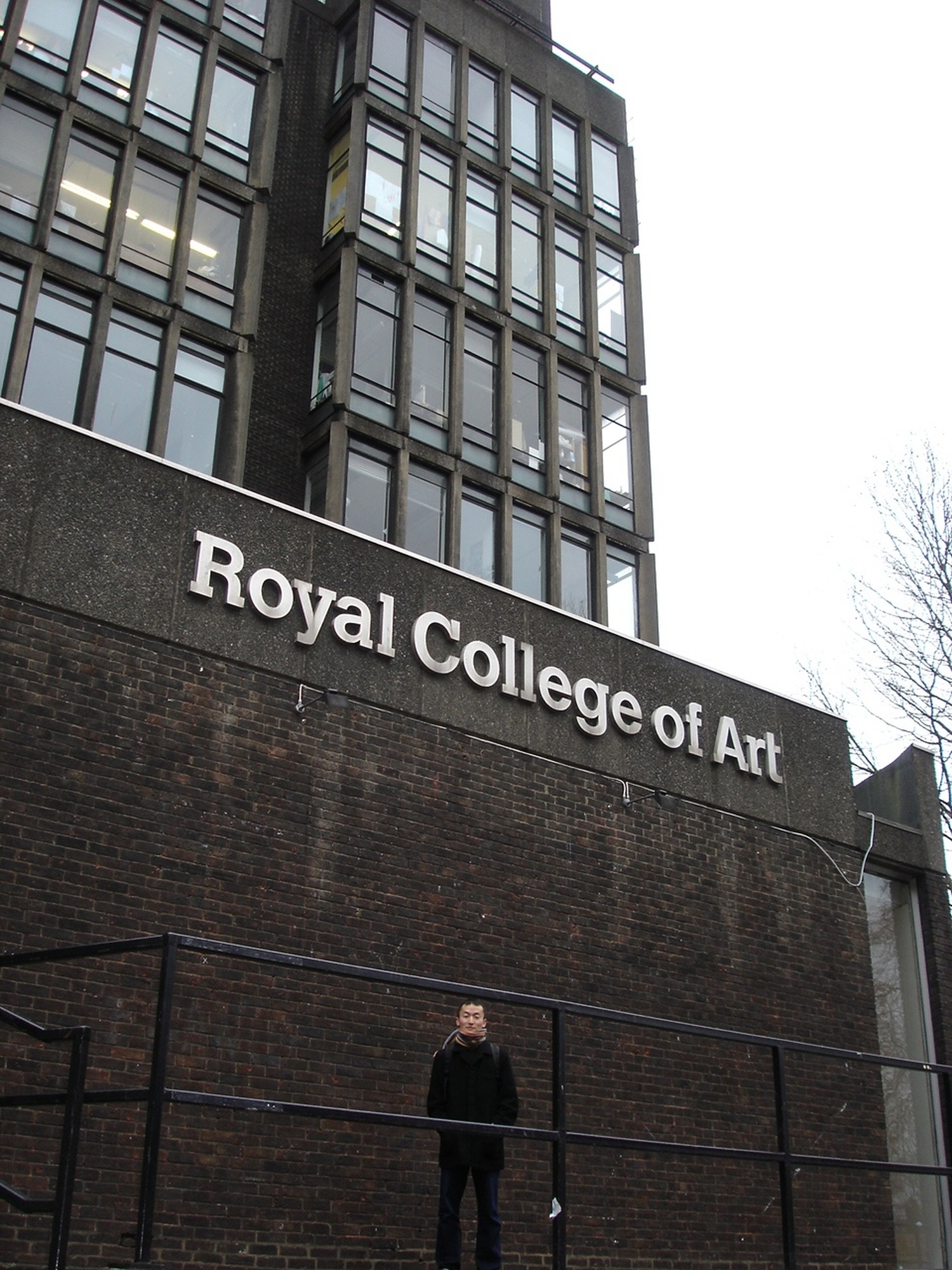
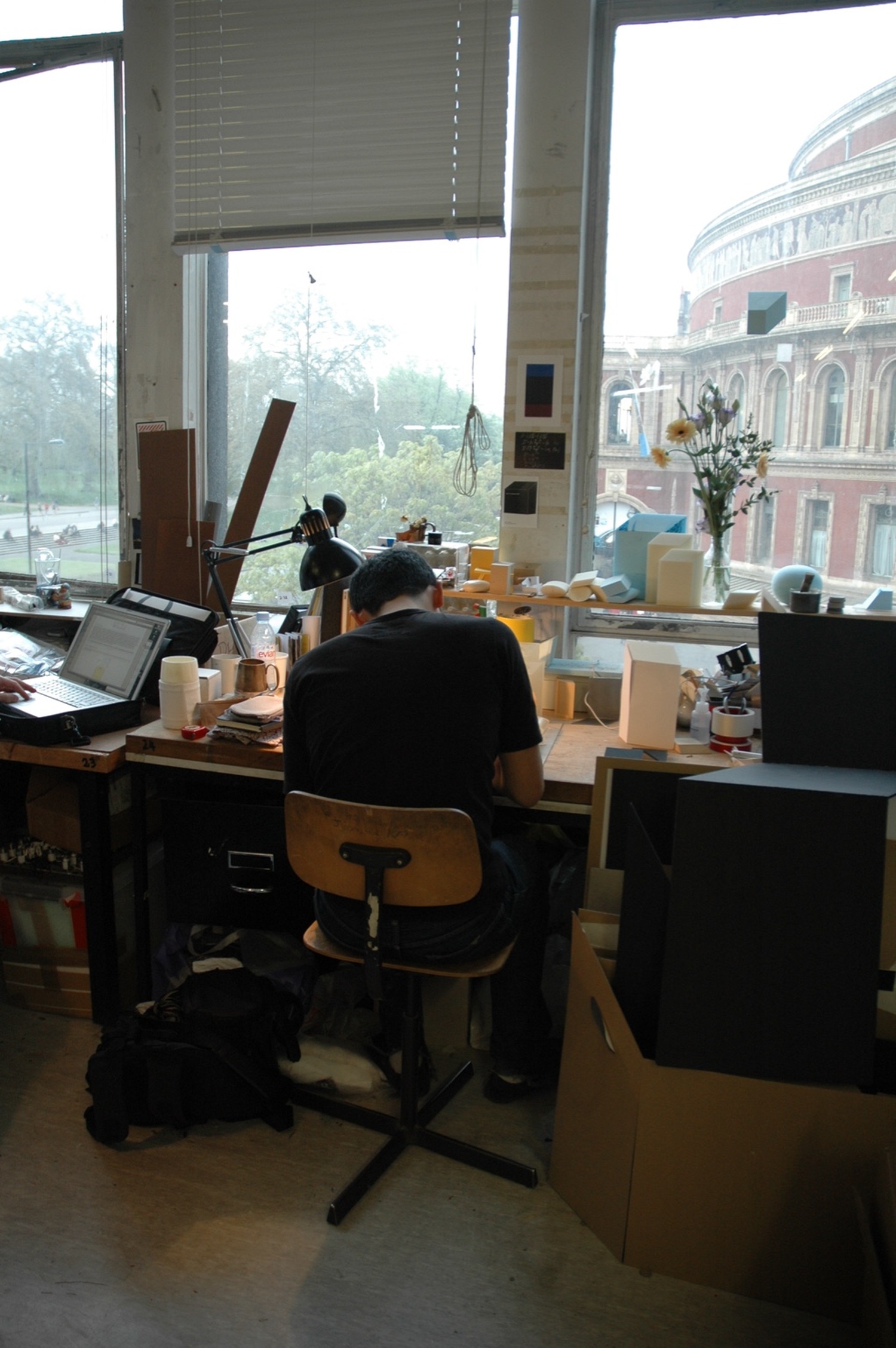
Gen Suzuki during his time studying at the Royal College of Art (RCA)
―― Was there a trigger that led you to think that way?
I think I naturally started thinking this way after traveling to various countries and living abroad. For example, when I was backpacking through the Himalayas, I stopped at a cafe-like place and had some tea. The thick, scratched glass they brought out was very appealing.
At the time, I was studying in England, learning about the sophisticated world of design, and I suddenly wondered if I would find such designs beautiful in this Himalayan landscape. It might look cool in London, but here, I think this simple cup is better. I believe that a product only truly feels beautiful when it fits in with its surrounding context and environment. After returning from my trip, I started designing while thinking about those kinds of things.

When he was backpacking around the world
Of course, as a product designer, I want to create a good cup. But when we consider what makes a good cup, we can only define it in terms of its relationship to its surroundings—its relationship to the body, such as the mouth and hands that use it, its relationship to the drink, and its relationship to the table it sits on, or to the pot and spoon used with it, right? I think it’s actually quite difficult to judge something as good or bad by looking at it in isolation.
―― It sounds like for you, traveling is an important opportunity to think about design.
I’m get really curious about the tools used in that place. It’s not so much that the trip itself is important, but rather that there’s so much inspiration to be gained from the places and scenery, and when you’re traveling, you have time to think about things like, “Why does this look so captivating?”
When you live in the same place for a long time, everything starts to become commonplace, but traveling resets everything and makes everyday life seem fresh again. I think that traveling makes it easier to adopt that kind of relative perspective.
Updating design for the times
―― I heard that you currently live and work in a combined home and studio in Kamakura.
If the value of design is ultimately shaped by its relationship with its surroundings, then products that people use in everyday life have to be designed within the context of everyday life, or you’ll get them wrong. Even when I was working in the U.S., I would bring sketches and prototypes home from the office and see how they felt in my living environment. I found those everyday impressions and instincts were actually more reliable.
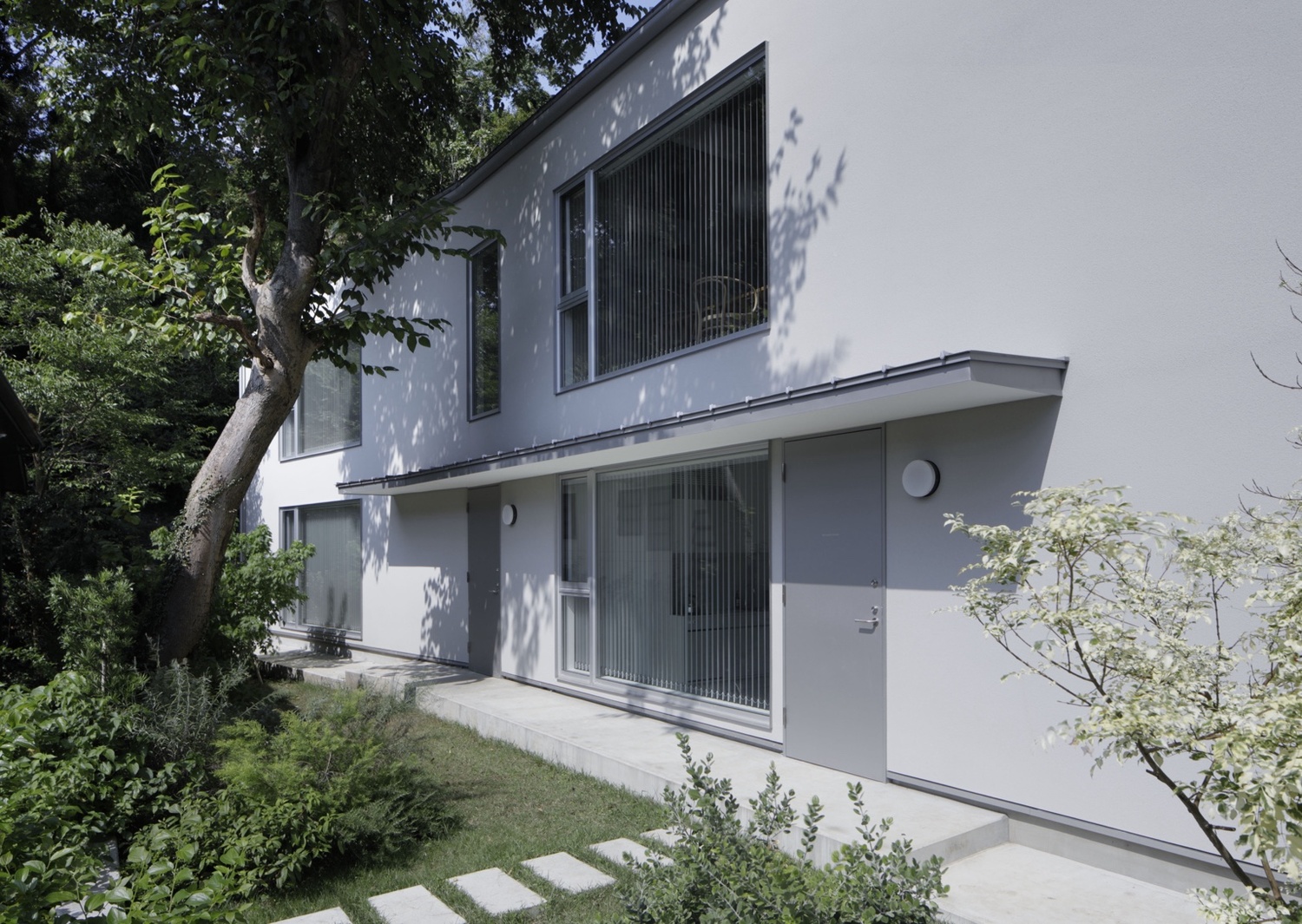
Suzuki’s studio and home in Kamakura
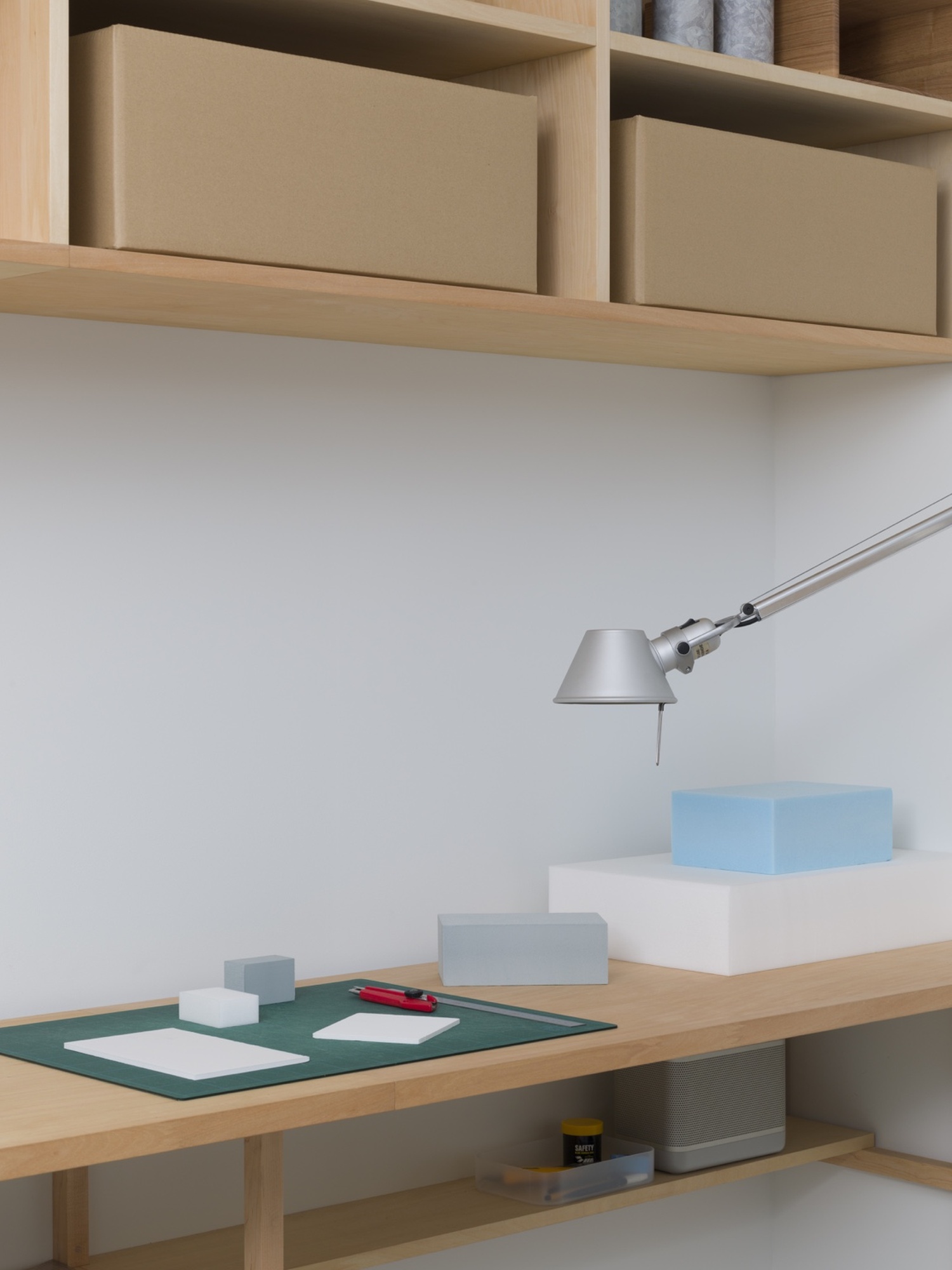
Photo: Gottingham
In the studio workspace, everything begins with hands-on making.
―― In a previous interview, you said, “(when designing,) I want to see things from a broader, bigger perspective.” That really stood out to me.
That’s also something I’m personally interested in. When designing a cup, for example, I personally want to know why cups are shaped the way they are, and what kinds of cups have existed in the past. Every form and manufacturing method has a reason and a story behind it and today’s designs are built on that history, so I want to understand that context first.
On the other hand, the environment and technology surrounding manufacturing are constantly changing, so I think about how a design can become better suited to the present day. Rather than designing to showcase my own individuality, it’s more like updating design to fit the times, or making subtle adjustments so that it continues to feel relevant.
―― AI has also been a topic of conversation recently. How do you view the technologies and digitalization involved in manufacturing?
Design has always served as a bridge between technology and people, helping create better connections between the two. In that sense, even with the advent of AI, I don’t think the designer’s fundamental role will change dramatically. However, the changes AI will bring are enormous. Some of the tasks that designers have traditionally handled, such as visualization, analysis, and validation, will likely be largely replaced by AI. As AI and robots become part of everyday life, even their behavior and something like their personalities may become subjects of design. At that point, designers will need to think not only about usability, but also from perspectives closer to ethics, morality, and philosophy.
Design competitions as a forum for discussion
―― Mr. Suzuki, I imagine you’ve had more opportunities to evaluate and judge designs in recent years. How do you see the role of design competitions today?
As society continues to change, our ideas of what is “good” change as well. I see design competitions as an opportunity for everyone to discuss “what constitutes good design and beauty in today’s world” based on the many ideas and proposals that each person has come up with, and then to feed those ideas back into society.
―― So it’s a place for discussion and dialogue.
Within a company, the focus tends to be heavily on whether a product will sell or not, right? That’s certainly important, but design competitions allow us to look at design from a more neutral perspective. So I think they provide a valuable opportunity to seriously discuss not just economic viability, but also whether it’s good for society and culture.
―― What has been your impression of the KOKUYO DESIGN AWARD?
I’ve never entered it myself, but I’ve always felt a close connection to this competition, as friends of mine have won awards, and I still remember past winners like Kadokeshi Eraser.
The themes are always abstract and profound, allowing for various interpretations. What I like is that it turns those abstract themes into everyday objects, such as stationery and household goods. Since commercialization is the goal, we also have to consider practical aspects of product design, including manufacturability and end-of-life disposal. Abstract themes and quality craftsmanship. Balancing the two is, in many ways, what product design is all about.
Advancing design through dialogue
―― This year’s theme is “dialogue.”
Personally, I think it’s an excellent theme. Rather than designers insisting, “This is right and the only way,” I believe approaching design through dialogue is an essential mindset, not only for competitions but for design in general. When it comes to dialogue, it includes not only conversations with clients, colleagues, and users, but also with materials and technologies. So it’s a theme that can be explored from many different angles.
Also, when I met the other judges at our first meeting to discuss the theme, I realized that while each of us brings a different area of expertise and perspective, we seem to share many of the same fundamental values.
―― What will you be paying particular attention to as a judge?
First of all, I want to understand what perspective the designer took and what they chose as the subject of their exploration of dialogue. Furthermore, I also want to evaluate the overall quality of the work.
I believe the quality of a design emerges through a process of dialogue. For example, the shape of a product is determined through dialogue with the hand and the body, with its function, and with the environment in which it is used, as well as with its materials and manufacturing process. In other words, if you proceed design through dialogue, the level of refinement should naturally improve. What I really want to see is whether a submission simply presents spontaneous ideas, or whether it has achieved its level of refinement through a genuine process of dialogue.
―― What exactly do you mean by “advancing design through dialogue”?
This is just my own opinion, but to me, dialogue means being flexible. If a designer decides from the very beginning, “This is the answer to beauty,” and designs based solely on that belief, it is not dialogue. I believe dialogue is a state of openness, where people exchange ideas and both sides remain willing to change in some way.
For example, if the client hadn’t been OOHARA DENSEN, the design could have turned out completely differently. The process was shaped through close dialogue with the company, taking into account its culture, atmosphere, materials, and manufacturing constraints.
The same applies to the KOKUYO DESIGN AWARD. I’d like to see designs that are developed through dialogue, as designers observe how their ideas respond to the subject, explore how far a material can bend, or how an object interacts with its surroundings once it is placed, instead of simply imposing their own vision.
What makes the KOKUYO DESIGN AWARD unique
―― What kind of proposals are you hoping to see?
I think dialogue can be interpreted in a very broad way. It can be a dialogue between objects, between people and objects, between people, between the past and the future, or perhaps even an internal dialogue with oneself. I’d like to see various proposals inspired by that theme.
―― Finally, do you have any advice for the applicants?
When designing, why not try thinking in the plural rather than the singular? Instead of looking at something as an isolated object, think about what sits beside it, the people who interact with it, and the environment in which it exists. Once you start seeing things as part of a larger whole and continue asking questions from that perspective, I think dialogue emerges naturally.
At the same time, that’s also what makes competitions aiming for product commercialization so interesting, isn’t it? I hope you enjoy the unique nature of the KOKUYO DESIGN AWARD, where conceptual ideas are brought into everyday life as real products, allowing the abstract and the practical to coexist.