KOKUYO DESIGN AWARD 2026
2026 Theme: “HAMON —Design that Resonates”
We have received 1,344 works from in and out of Japan (785 from Japan and 559 from overseas).
The 10 designs that passed the first round judging will undergo final judging on March 14, 2026.
One Grand Prix winner and three Merit Award winners have been selected.
Grand Prix
- title
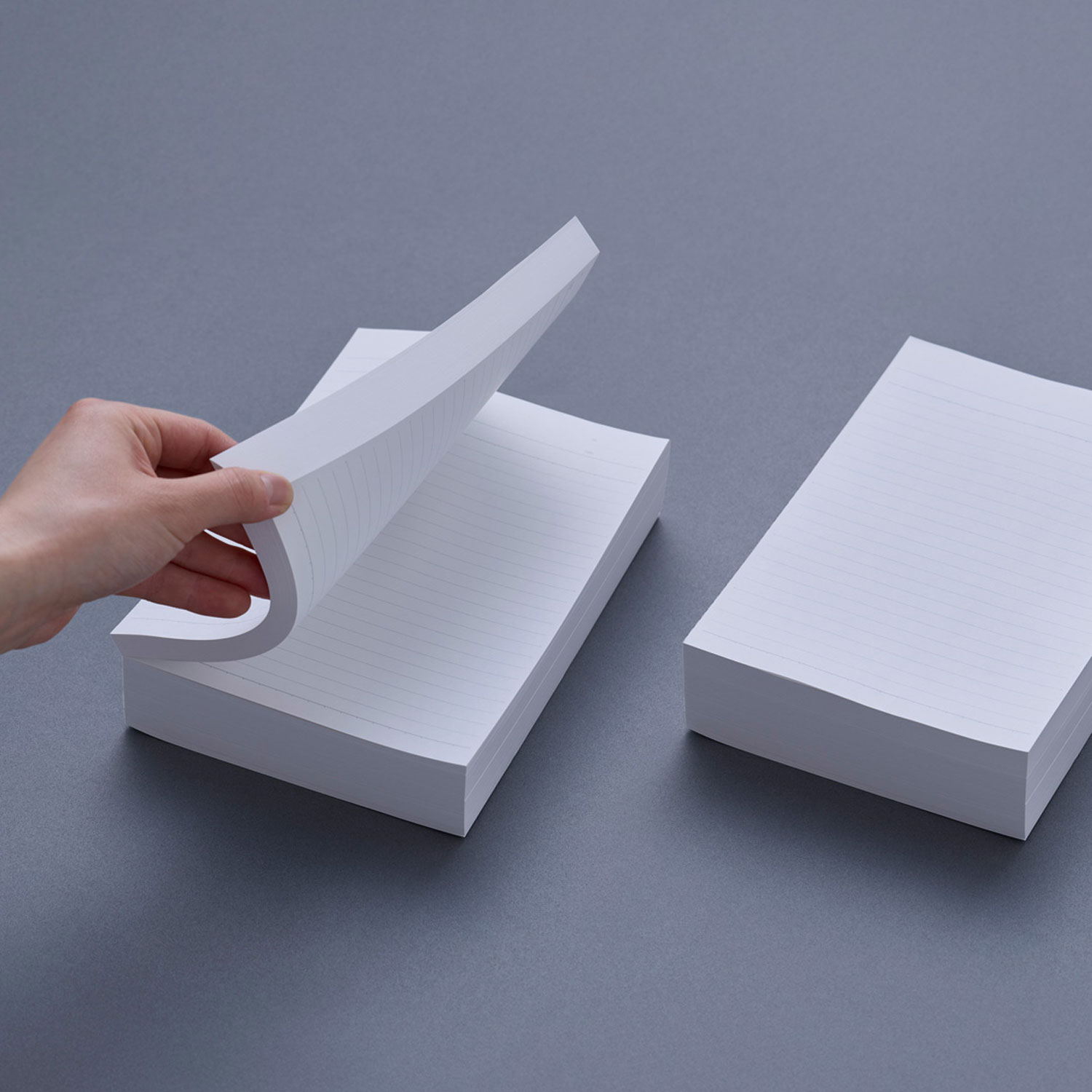
- Before Note
- creator
- Hiroki Kannari
Description
A bundle of inner pages that have been glued and backed. By having users choose the quantity and cover design, and returning to the form just before it becomes a notebook, I envisioned a product that embraces both mass production and personalization. Especially in this age of accelerating diversification and abundance of goods, I hope this proposal will be meaningful not only for users, but also for makers and sellers.
Merit Award
title
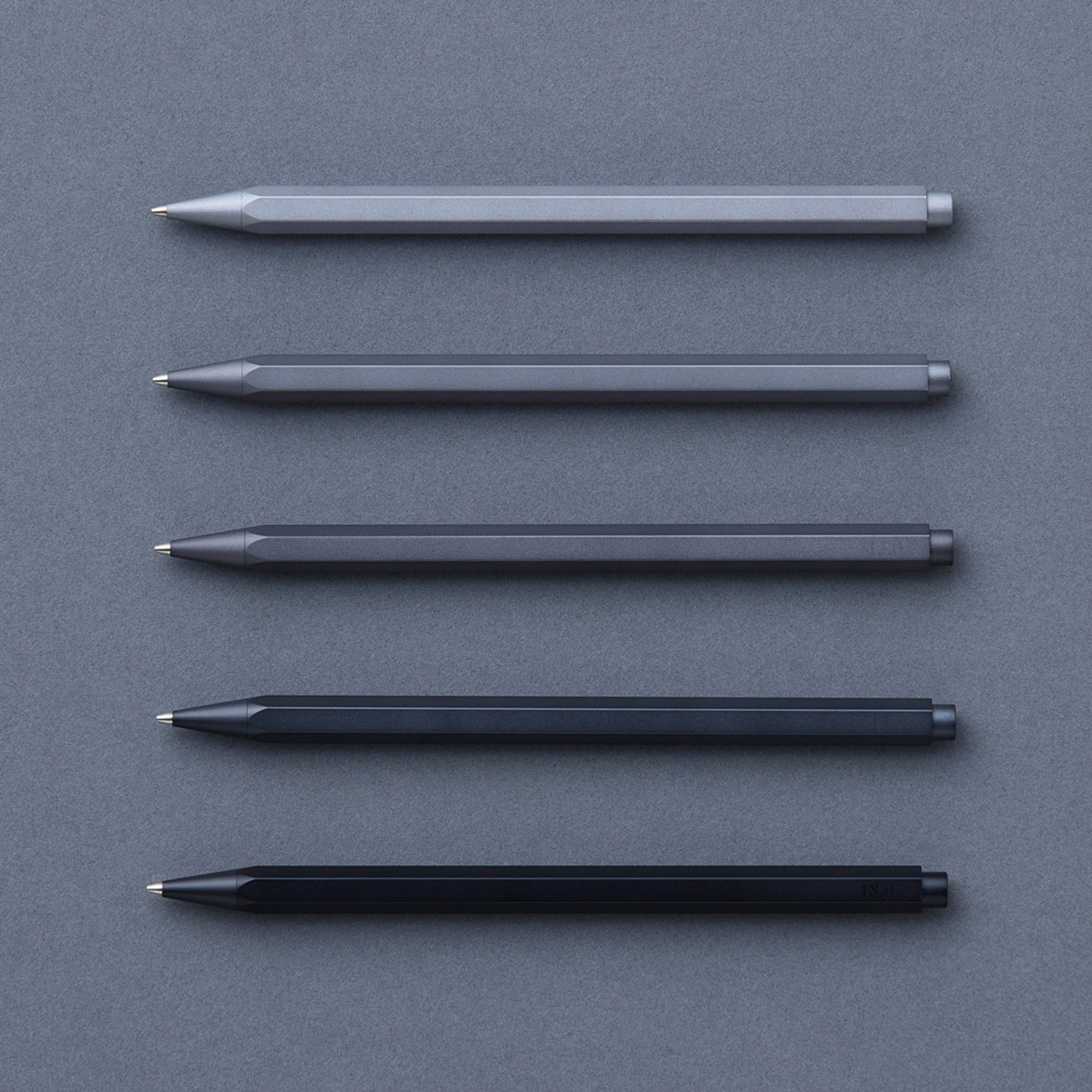
gram
creator
Takashi Higashide
Description
When I picked up a model of my long-used pen that had the same shape but different materials, I felt a slight sense of unfamiliarity. It turned out to be only a few grams in weight. The “gram” pen series delicately adjusts weight alone without changing shapes or materials. The comfort of writing is not uniform, and the difference in comfort or unfamiliarity caused by a few grams is a sensation many people feel unconsciously. By focusing solely on weight, you will experience a silent emergence of sensations that you were not even aware of.
title
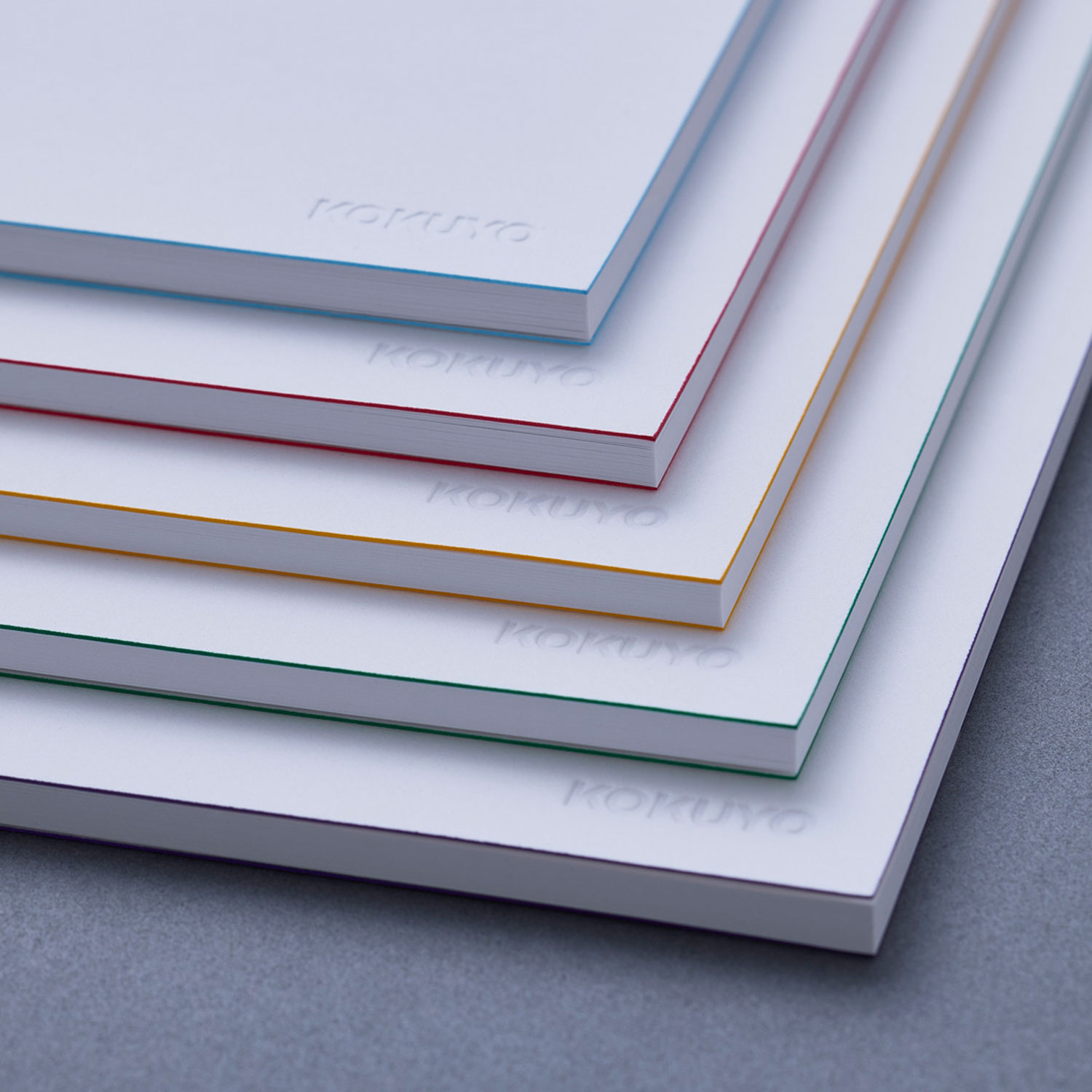
Notebooks Identified by Edges
creator
Yuji Tsukamoto
Description
This pure white notebook series features colored edges on the cover, meeting the need to “distinguish yet coordinate.” The subtle and understated color scheme of the edges makes each notebook easily distinguishable, while its simple look brings a beautiful sense of unity to desks and bookshelves. Also, since only the edges are colored and not the entire cover, less ink is used which contributes to reducing environmental impact. This stripped-down notebook quietly organizes your field of vision and encourages you to focus on your studies and creations.
title
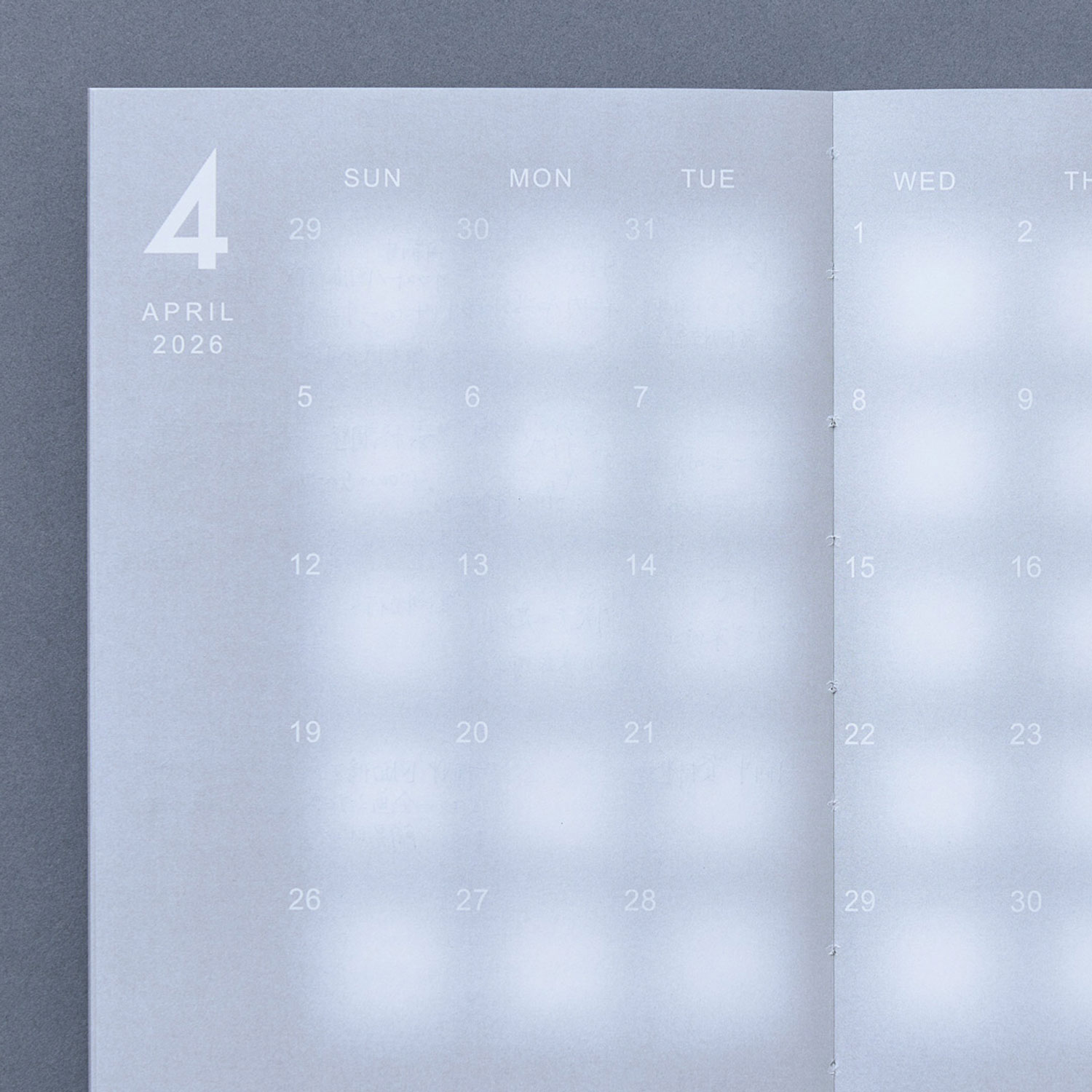
Gradience Diary
creator
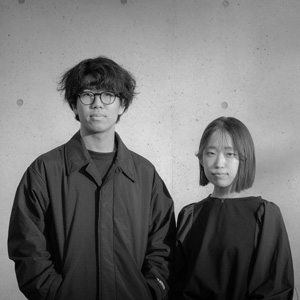
Mizuki Igarashi Rara Takizawa
Description
While the amount of scheduled tasks varies from day to day and some tasks might span multiple days, conventional planners consist of uniformly sized squares and days are clearly separated by lines. We questioned the way such planners are designed, so we created the “Gradience Diary.” This planner has no lines, and each day is separated only by a gradient of white and gray. The writer can decide the size of each square based on the amount of tasks, and can write down schedules spanning multiple days while retaining a sense of continuity.
Finalist
title
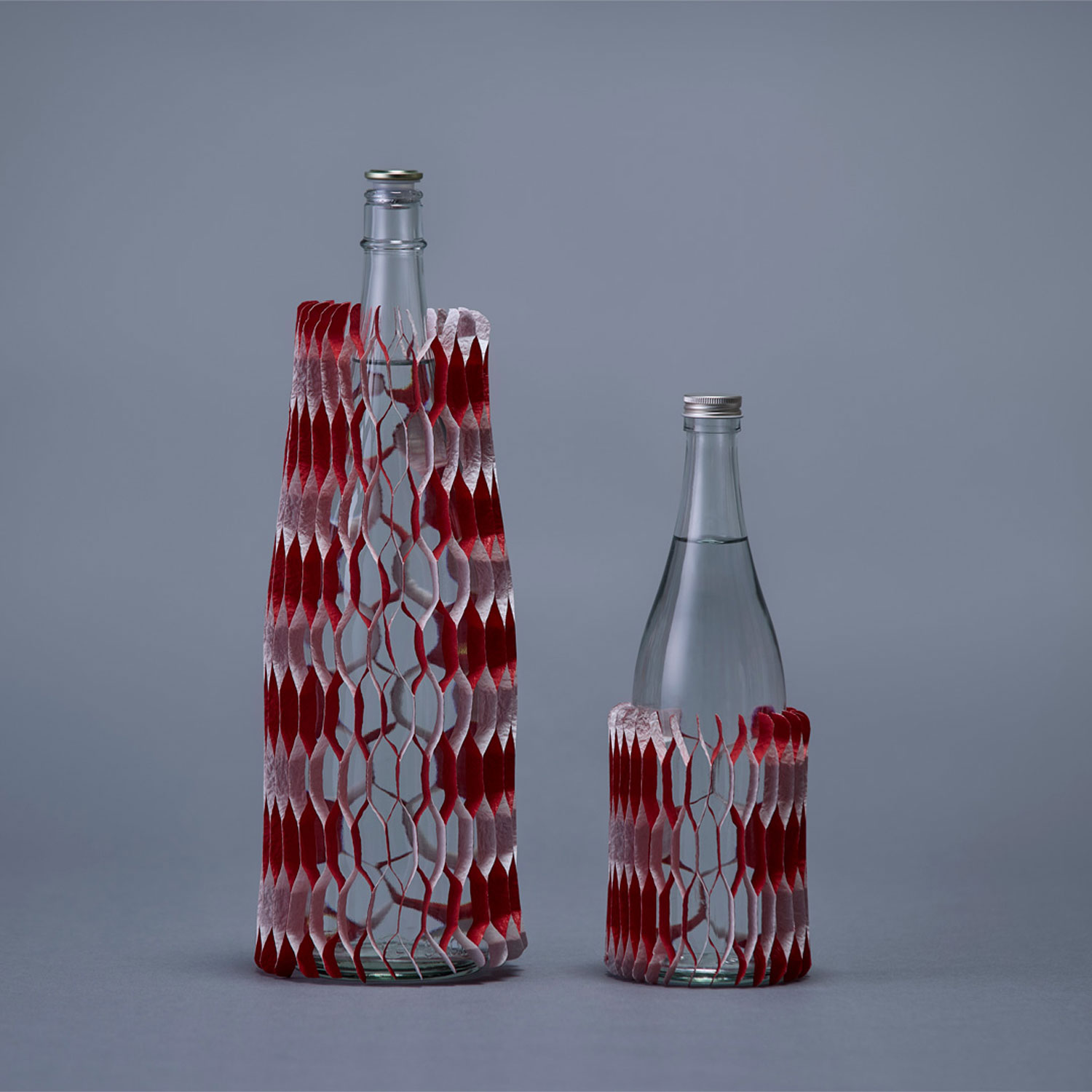
red and white packing paper
creator
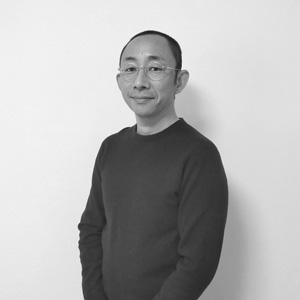
Tasuku Denno
Description
Red and white packing paper is a packaging material used to protect celebratory gifts.
The red and white paper strips are connected successively to form the whole.
When you unfold the paper, a honeycomb-like structure is formed.
You can use it not only as packing material but also as decoration for celebrations and as interior decor.
I would be happy if the feeling of caring about someone spreads to the world.
title
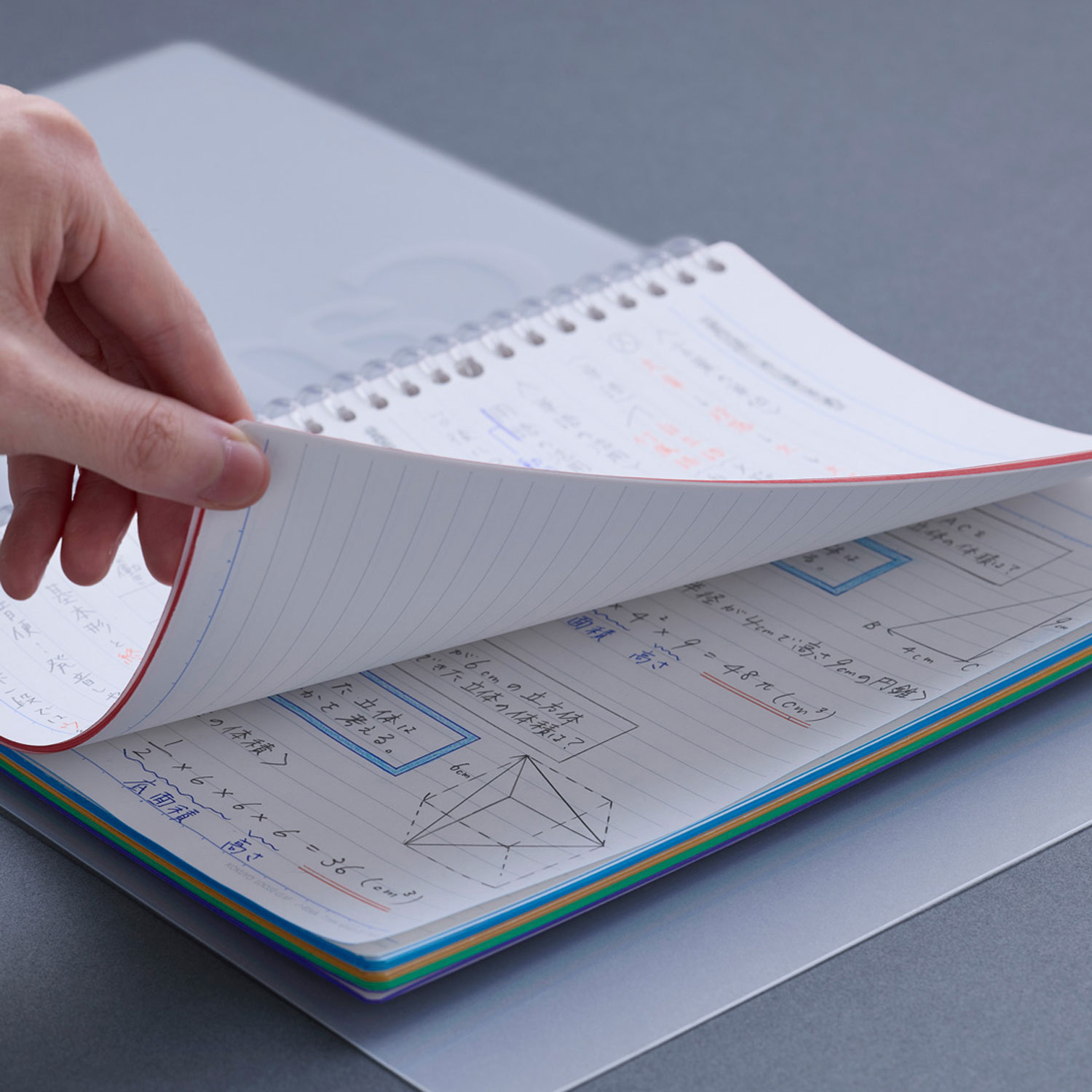
Edge Index
creator
Renki Torigoe
Description
Looking at my used-up loose-leaf paper from high school, I felt there must be a way to organize it more beautifully in my own style and make my daily studies more enjoyable. The Edge Index was born from that memory. Dyeing the edges of loose-leaf paper makes the color emerge each time it is used or stacked, making the page itself function as an index. Reconsidering the edge coloring not as decoration but as a structure for classifying information, transforms the accumulation of records into organization. A proposal for loose-leaf paper that makes you visually enjoy the traces of learning.
title
AWAI
creator
Ryoichi Nakamura
Description
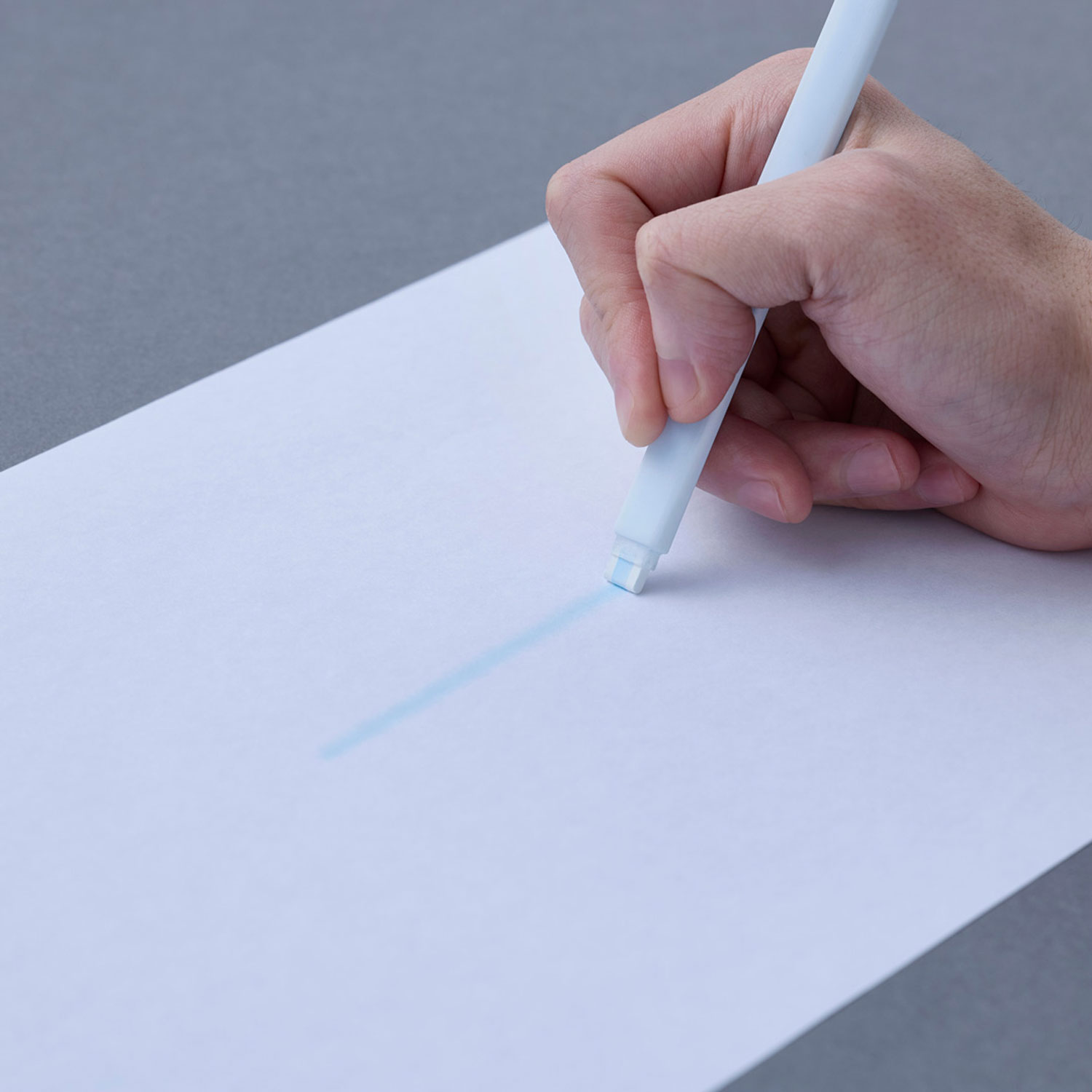
“AWAI” is a pen that leaves faintly smudged lines after writing.
Usually, lines drawn strongly and distinctly send a powerful message to our future selves or others who see them.
The faintly smudged lines are new ways of being lines.
What the new lines pose to the future is not a strong message like “This is important, or this is wrong,” but rather a suggestion and question that leaves room to think, “Maybe you should take another look and reconsider.”
title
OVERLAP
creator
Yohei Oki
Description
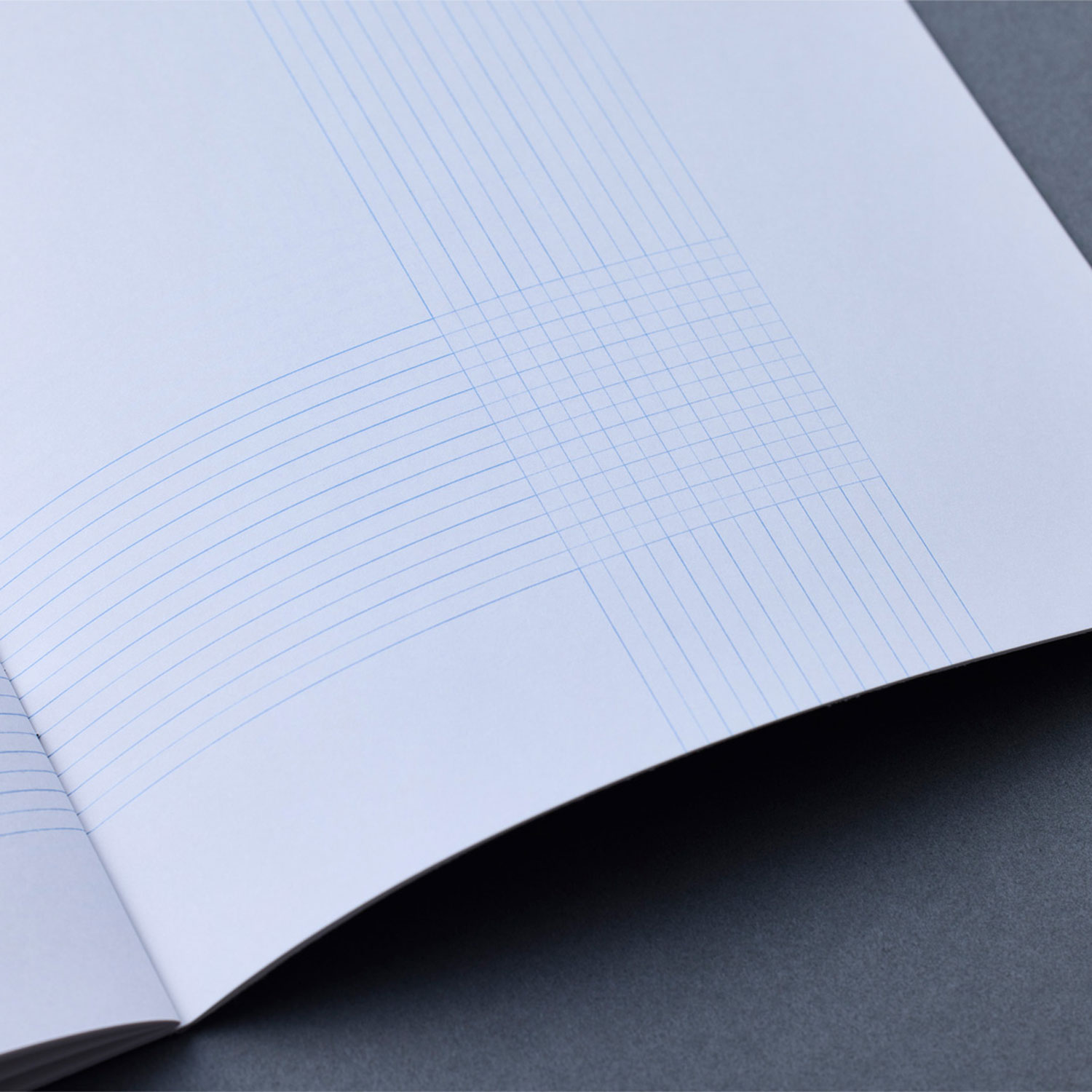
Lines with different orientations, overlapping lines, and white space. Different types of content bring changes to how you use your notebook.
Writing something completely different in each area, combining what’s written, breaking things down starting from the overlapping parts, or just writing whatever you want along the lines. Such ways of using it stimulate your thinking and produce unexpected outputs.
By changing the way you draw the common element of ruled lines, you will get to expand the possibilities of your notebook.
title
KASUMIORI
creator
Yoshihiro Matsumura
Description
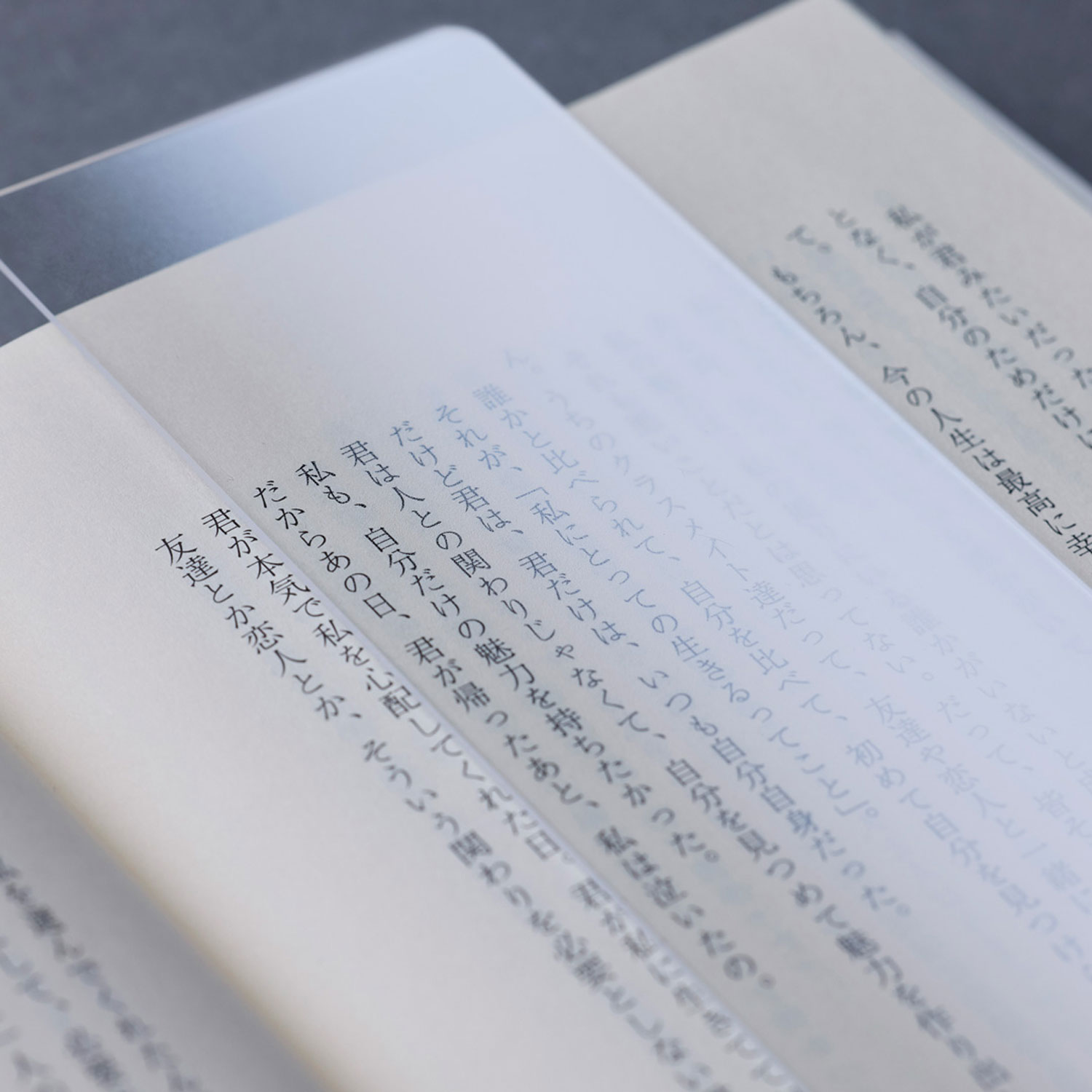
The white mist slowly and silently blurs the view, then gradually reveals a new landscape before your eyes.
When reading a book, we imagine various scenes and stories, and draw them in our minds.
They are sometimes vivid, then gradually fade while repeating their fluctuations, and are etched in your heart.
KASUMIORI bookmark links to the emotional movements, gently connects sentences, and silently connects books, people, and the scenes that come to mind.
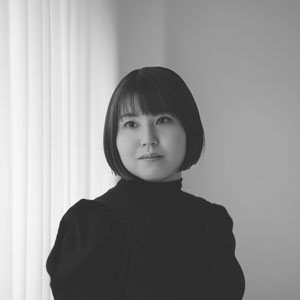
title
a glimmer of inspiration
creator
Nao Momoishi
Description
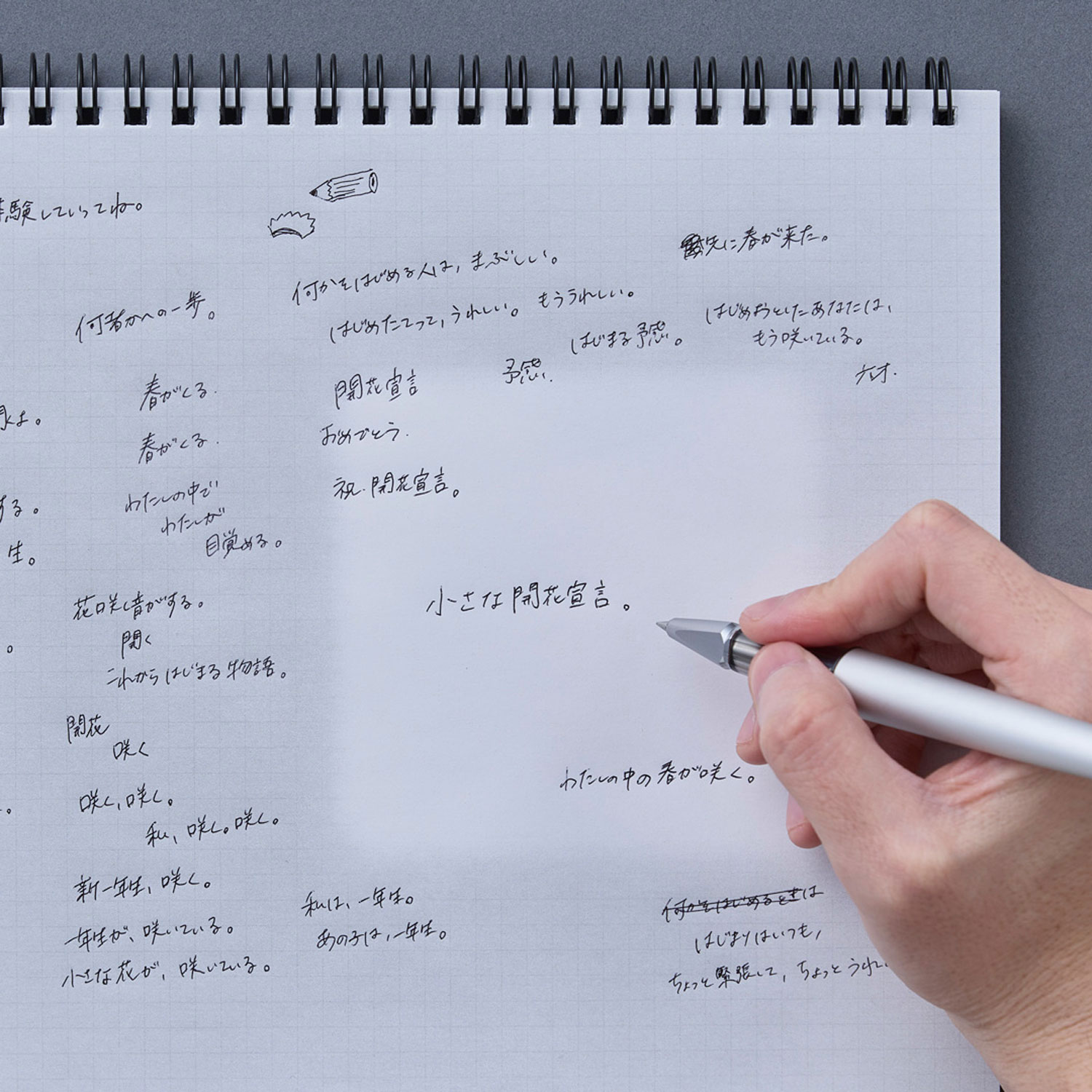
I work as a copywriter, and sometimes when I keep thinking, ideas pop up like a reward.
It’s like the moment when light suddenly filters through the cloudy sky.
This product is for people who write down their thoughts in a notebook. It shines a soft spotlight on even the most casual strings of letters, serving as a guide for their thoughts.
Trophy
Shogo Kishino, one of the judges, worked on the key visuals and art direction of the trophy and award certificate. KOKUYO’s representative designers Mei Sato and Shinpei Yoshida, also had a part.
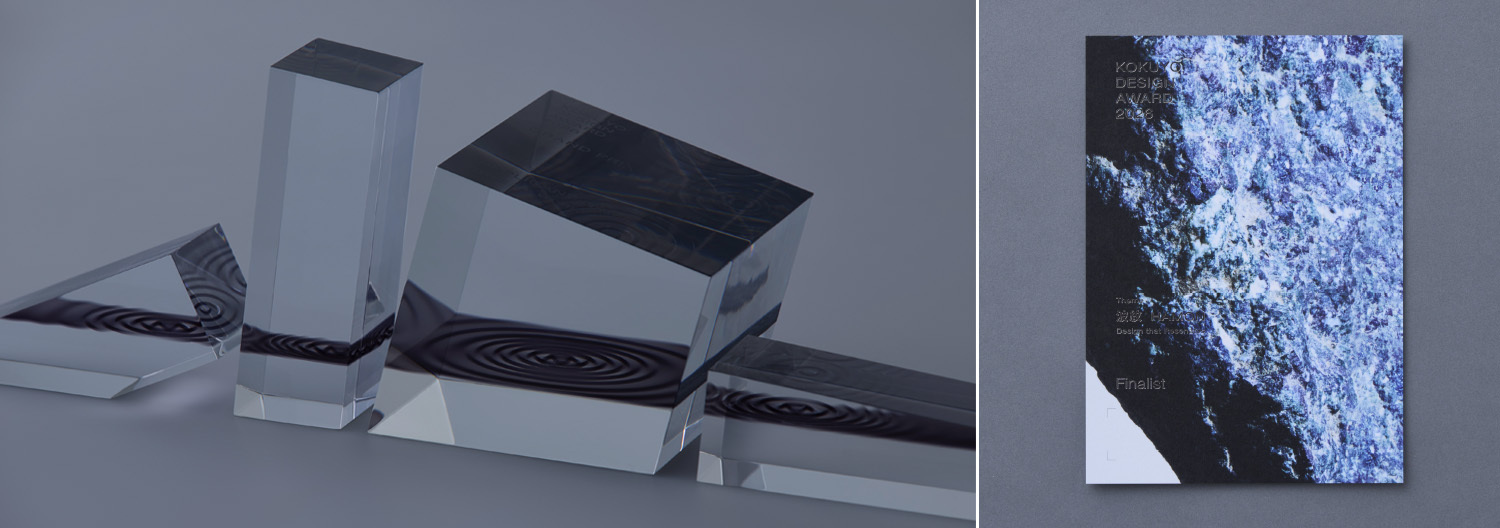 Left: Trophies Right: Certificates
NEW GENERATION AWARD
The NEW GENERATION AWARD was established to encourage the young generation who will lead the next age to challenge themselves. Works submitted by students to the KOKUYO DESIGN AWARD 2026 are judged based not on whether they can be commercialized, but on whether they have appealing ideas and viewpoints.