Sustainable Management
BALANCING SOCIAL VALUE WITH ECONOMIC VALUE: ACTIONS
Mirai Yokoku
Mirai Yokoku 2024
CASE
A Project to Make Buildings Profitable Again (Increasing the Value of Vacant Buildings)
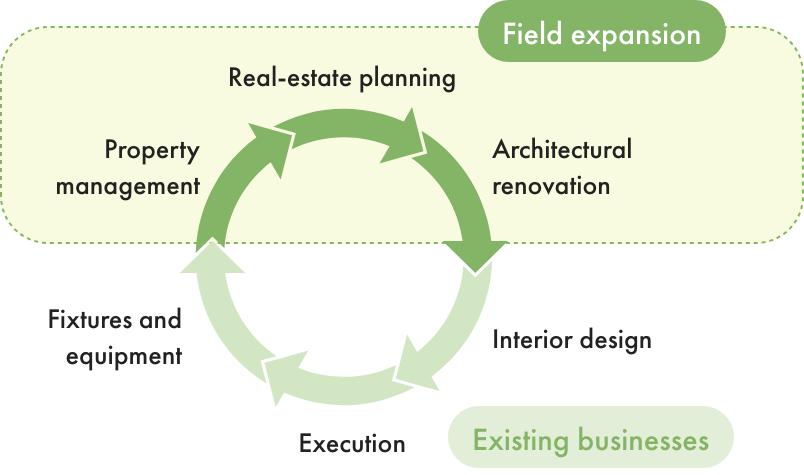
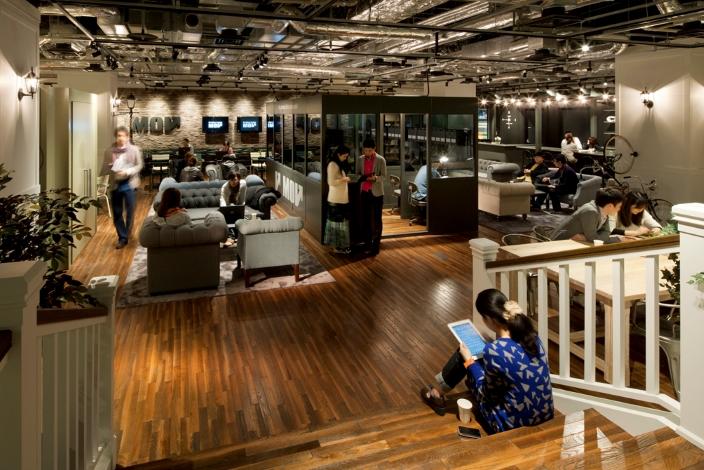
We have defined our social role as that of a work and lifestyle company. This means that we now transcend our traditional categories of furniture and stationery and expand the reach of our business fields. The strategy for the furniture business as set out in the fourth medium-term plan, Unite for Growth 2027, is to leverage our strengths to expand the business fields and generate synergies with existing businesses. Part of this strategy involves increasing the value of spaces by applying our expertise in delivering value in furniture, fixtures, equipment, and interior design for offices. Increasing the value of spaces means interior renovation work that incorporates the functions people demand and ensures that the space is commercially viable. An example of increasing the value of spaces is Creative Lounge Mov, a members-only co-working lounge that opened in Shibuya Hikarie in 2012. Another example is The Campus Flats Togoshi. Opened in 2023 in the Togoshi area of Tokyo, The Campus Flats Togoshi is an apartment building that once served as a company dorm. We renovated the building, converting it into a co-living space.
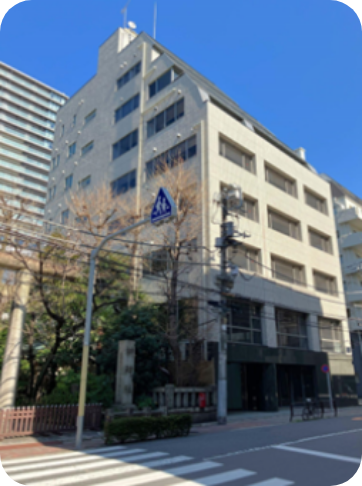
Drawing on the spatial design expertise we developed in our existing businesses, we established the Asset-Value-Up Office to meet emerging demand related to spatial assets. For example, we anticipate a growing demand for addressing the problem of vacant office space in small- and medium-sized office buildings. We also expect that the rising cost of constructing office buildings will drive demand for increasing the value of office space in existing office buildings. In March 2025, we took the first step in this new business by acquiring a vacant office building in the Kuramae district of Taito-ku, Tokyo.
We will build our track record in increasing the value of spaces by engaging in real-estate planning for investment, engaging in architectural renovation, and creating a model for managing the property once it enters service. In this way, we will expand the reach of our field into real-estate renovation.
CASE
Contributing Toward a Circular Economy: Promoting Use of Sustainable Materials through Loopla for Office Furniture
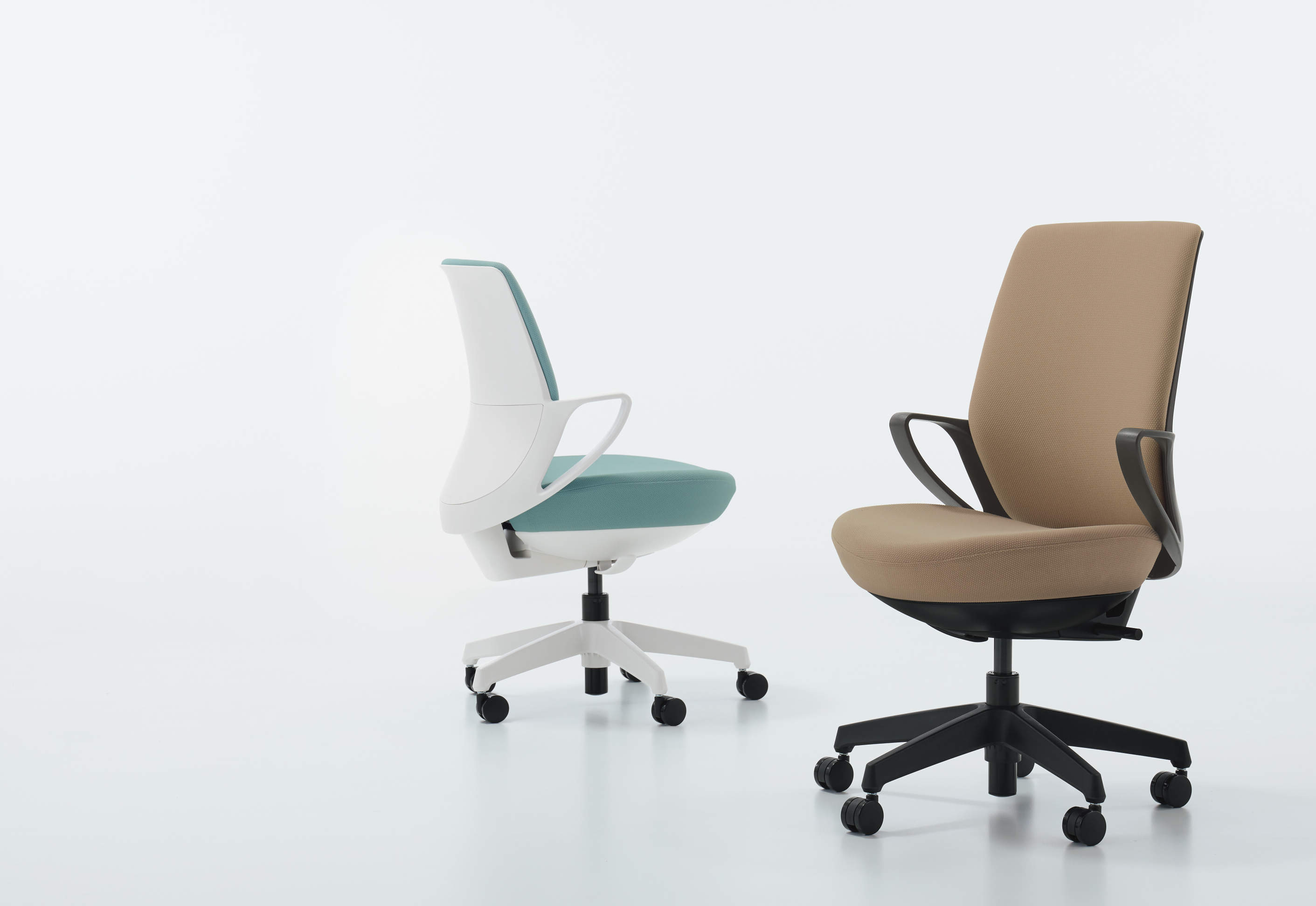
With growing public interest in the environment and with companies increasingly expected to engage in sustainability, we follow a set of guidelines titled Sutenai Circle, which guides us in recycling resources and contributing to a circular economy. One of our circular-business initiatives is Kaunet’s Loopla service. This service collects used plastic folders from offices and other workplaces and recycles them into new products, without burdening the users. Through Loopla, KOKUYO recycles the used folders into office chairs. In another example of our range of circular-business initiatives, paper offcuts generated during the production of notebooks and other products are reused as material for a line of office chairs called Kamikara. Kamikara fabric is made from 20% paper and provides the durability and other physical properties that office furniture requires.
- Collaboration between Yokoku Research and Kyoto University: Enhancing wellbeing in the workplace*
- Pandoor: A service for people working multiple jobs whereby companies and workers seeking growth opportunities are matched with companies seeking solutions for business challenges*
- Using the “Hello! Family.” tool to test out ideas for empowering people with disabilities*
- A testing ground for post-pandemic workstyles: The Campus reopened*
- How We Live (a global lifestyle brand): Kokuyo and Actus’s collaboration for work-life integration*
- Culture Snack: A culture festival for revitalizing local communities*
- Piloting the re-use of acrylic panels: A collaboration with Sumitomo Chemical Company*
- Accessible packaging: On-pack QR code for accessing multilingual and audio product information*
- Harakado: A community factory for creating new value in household goods*
- *Japanese Only
Mirai Yokoku 2023
- “Hello! Family.”: An IoT-driven child-monitoring tool that stimulates new parent-child conversations*
- The Campus Flats Togoshi: A residential complex for prototyping lifestyle ideas*
- Sauna Bu: A new lifestyle brand from Kokuyo’s sauna club*
- Study With Campus: A self-study space for students in junior-high and high schools*
- Sutenai Circle and Hows Design: Supporting a circular economy and using inclusive design to promote wellbeing among the public*
- “Tsunage Loopa!”: Learning about the environment through a practical experience in recycling notebooks*
- Kokuyo Haku Shanghai 2023: A summer life-themed event in China conjuring up memories of summer days during one’s student years*
- Pop-up shops in Thailand and Malaysia featuring Kokuyo stationery*
- KokuyoDoors: A try-out shop where people can discover how great Japanese stationery is*
- Another Store: Delivering futuristic customer experiences in a real-life store space*
- Campus for Schools: Adjustable school desks and chairs optimized for GIGA schools*
- Kokuyo Digital Academy: A program for cultivating a digitally savvy workforce through education and practice*
- Core: A hall for open communication, maximizing the value of in-person gatherings*
- Baton no Yokoku: Developing unique, creative solutions to the problems faced by communities*
- Sustainable Academia Weeks: An event to raise sustainability awareness among all employees*
- *Japanese Only
Mirai Yokoku 2022
- Carry Campus: A study app for junior-high and high school students*
- Zaitaku Hyakka: Web media for working at home*
- The Campus hosts future-school festival by Kamiyama Marugoto College of Design, Technology, and Entrepreneurship*
- Wellness program One Tap Sports for Biz launched with Euphoria*
- Kokuyo trials oVice, a new kind of virtual sensory space*
- "Kokuyo Open Lab.”: Combining spaces with digital transformation to experiment with new workstyles*
- Kaunet Loopa Paper Resource Recycling Service*
- *Japanese Only
Sustainable Academia
Wellbeing among Communities
We held an educational event comprising a range of activities, including discussion sessions, workshops and exhibitions, on the theme of supporting innovation based on an understanding of disability and awareness of social barriers. Activities included an “ABC of Hows” exhibition explaining the background to, and letting employees experience, the stationery, office supplies, furniture and other products developed through our Hows Design inclusive design process; a hands-on workshop with experts, including Professor Shinichiro Kumagaya of Tokyo University’s Research Center for Advanced Science and Technology; immersive training to understand the world from the perspective of a person with disabilities, led by Heralbony Co., Ltd; and a boccia ball game session for all, whether able-bodied or disabled. Around 800 of our employees participated in this event.
This was an opportunity for our employees to understand what kind of society we are aiming for and to discover how to act. 88% of participants said they felt they had learned something from the event.
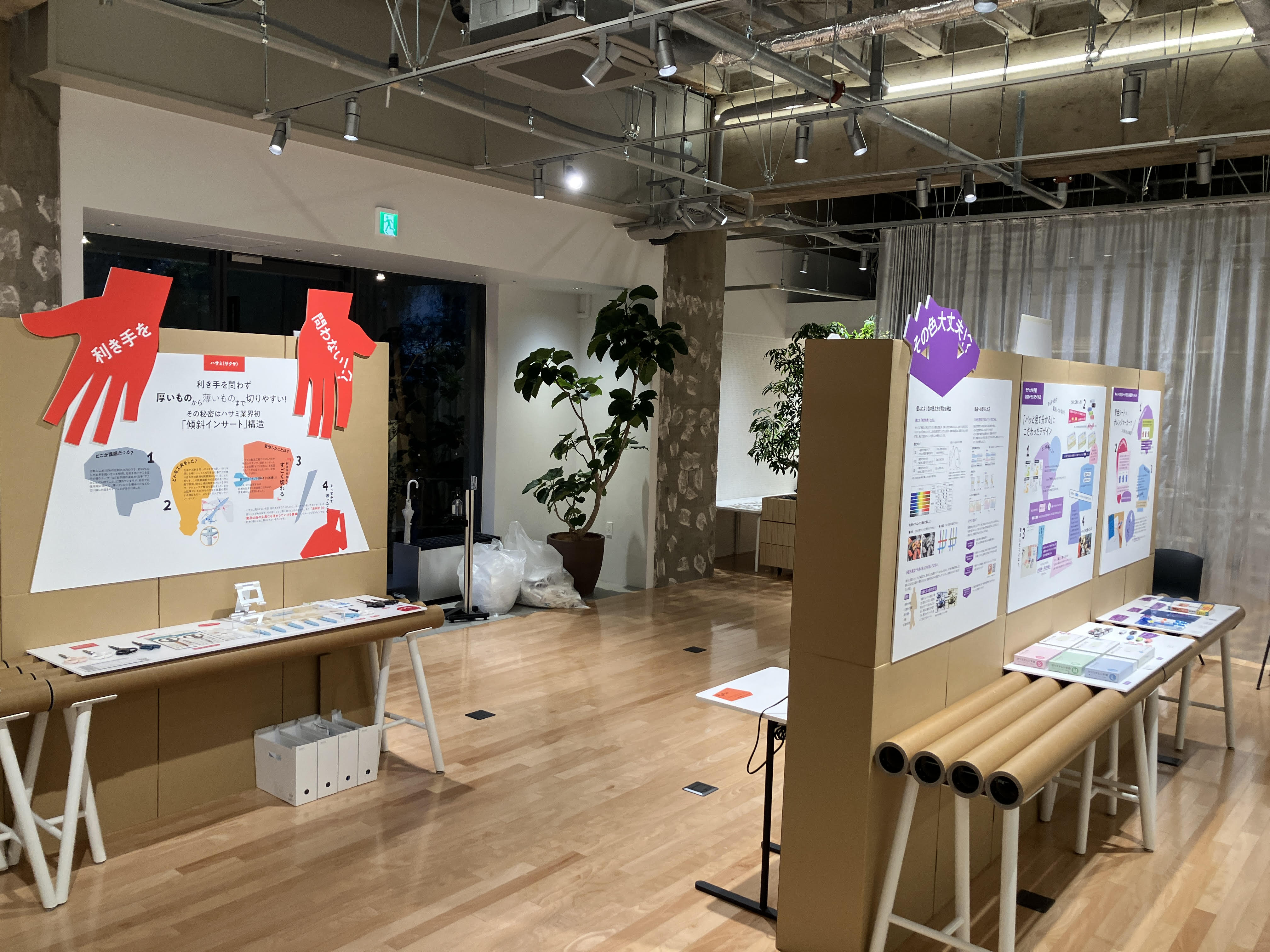
ABC of Hows: An event introducing Hows Design to employees
Circular economy
Because our business activity connects with recycling in so many ways, it is vital that most of our employees understand what is meant by the circular economy and know what they need to do in their own job areas to realize it. To this end, in 2024 we held three educational events on the theme of thinking how we can continue as a business sustainably, which delved into this issue more deeply than ever before and enabled our employees to experience recycling for themselves.
We invited ECommit CEO Teruyuki Kawano to our “thinking about recycling from a business perspective” event, where he had a discussion with the heads of Kokuyo logistics subsidiaries about how and why we should recycle resources. The other events were an office away-day to visit an industrial waste processing site and a workshop on how to design a circular business. A total of 540 employees participated across these three events.
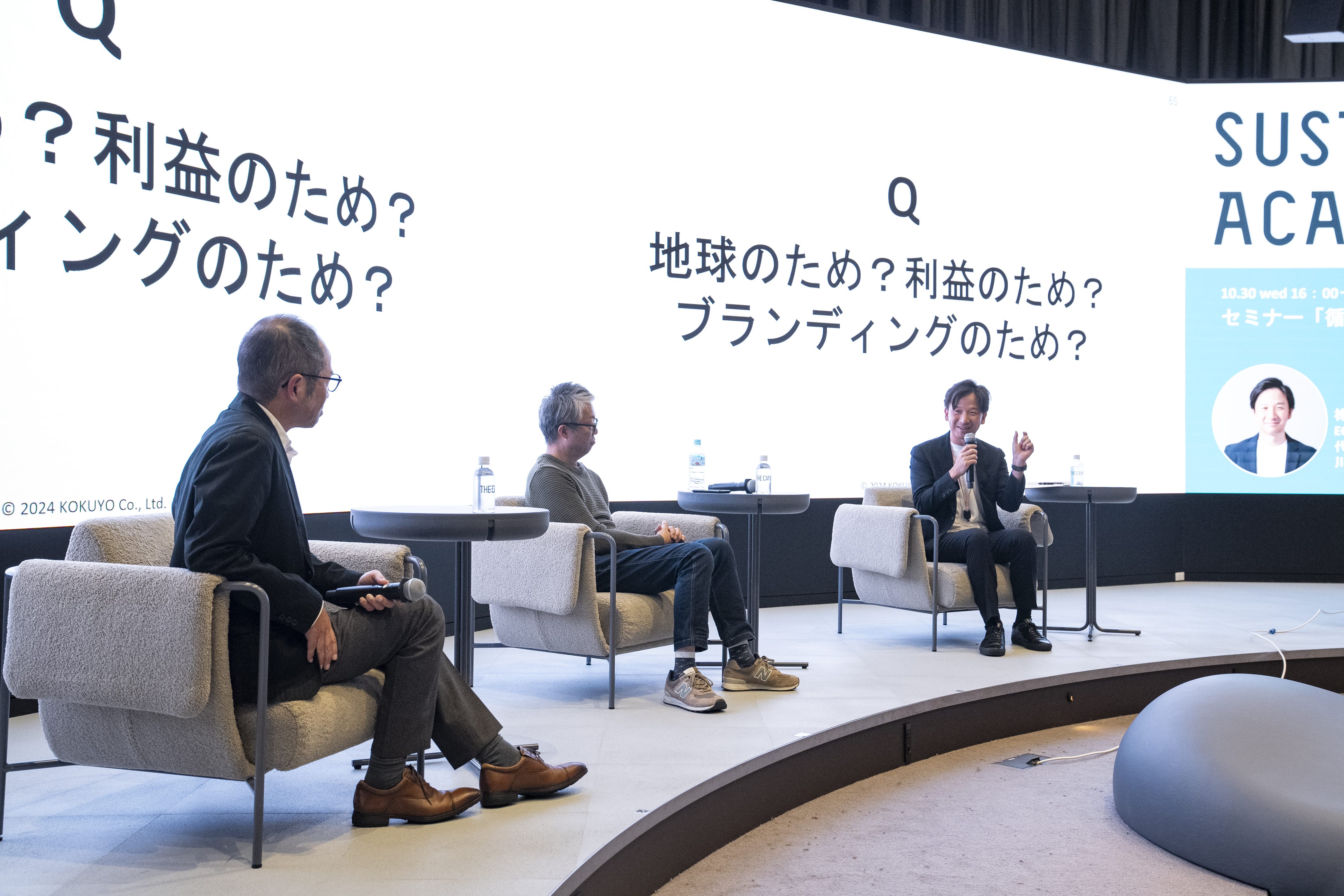
A talk session with ECommit CEO Kawano and the heads of two logistics subsidiaries (part of the “thinking about recycling from a business perspective” seminar)
Sustainable lab
Sustainable lab is a platform for employees to develop and implement their own plans towards solving the KOKUYO Group’s material issues. During FY2024, a total of nine teams throughout the group challenged themselves to find solutions in areas such as improving wellbeing and contributing toward a circular economy, and shared their results. This provided a forum for employees to take ownership of and rethink familiar issues and for related parts of our business to benefit from new insights into issue resolution.
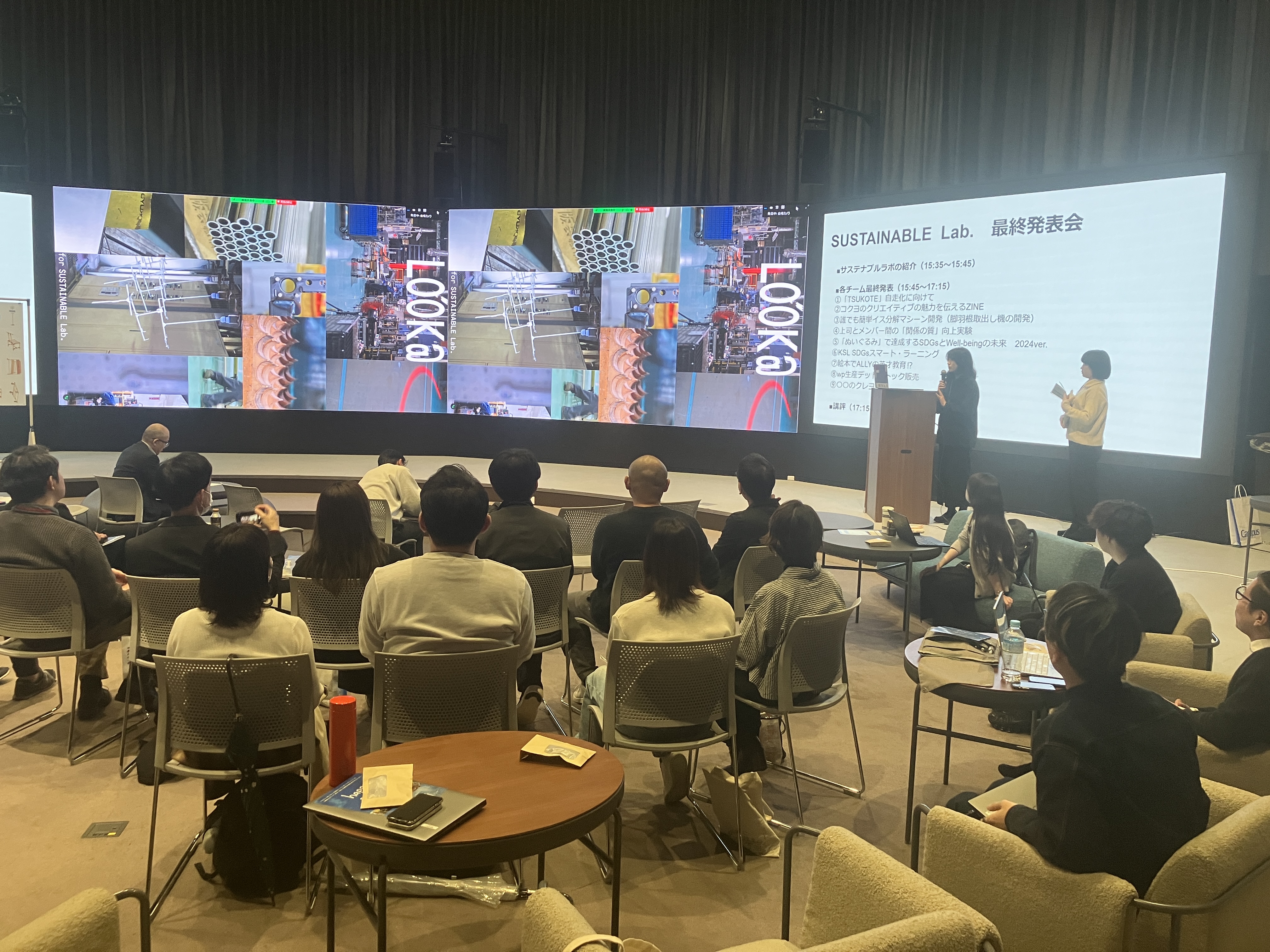
Sustainable Lab participants present their work
Employee survey
We carried out a survey to understand the current level of awareness among our employees and to provide a reference point for future initiatives towards achieving our 2027 goal for 100% of employees addressing socioeconomic issues through their job.
A total of 41.5% of our employees responded “definitely” or “probably” to a question asking whether they believe they are creating social value through their own job. We will implement measures to achieve the 2027 100% target and carry out further surveys to understand how far awareness of addressing socioeconomic issues through their job has permeated our organization.
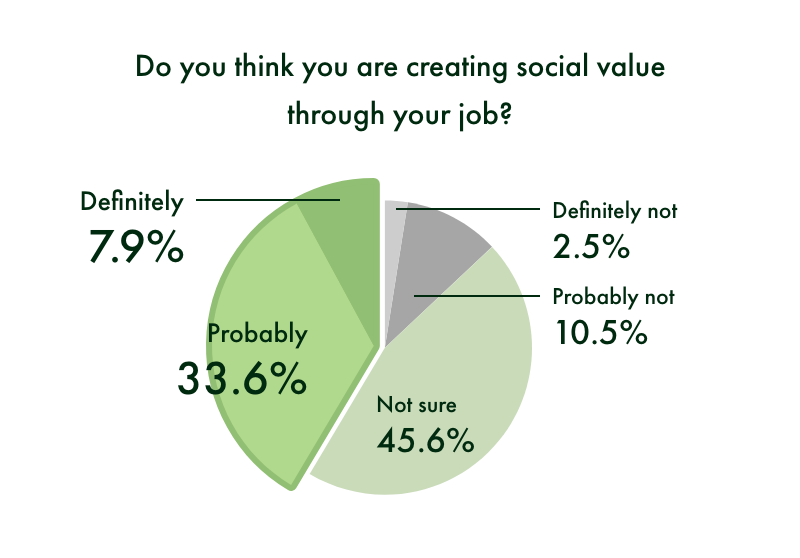
*The percentages shown above may not add up to 100% because they have been rounded.