Environment
Legal Compliance and Pollution Prevention
We are striving to prevent environmental pollution by complying with statutes and regulations relating to the environment as well as industry guidelines to which we have subscribed and our own standards.
Processes in place
To prevent environmental pollution, we are tightening environmental risk management and compliance with legal and regulatory requirements.Under our environmental management system (certified to ISO 14001), we monitor values subject to regulation and identify and evaluate risks of environment-related grievances and incidents.The results of such assessments guide our efforts to develop measures to manage and reduce the risk on an ongoing basis.
Actions
Compliance with Japanese Environmental Laws and Regulations
Our operations in Japan are currently subject to 29 environmental laws and regulations. In June every year, we evaluate the status of our compliance with these laws and regulations.In 2025, there were no cases in which we committed a major violation of, let alone fined or penalized under, an environmental law or regulation.
Training on Environmental Regulatory Requirements
We organize environment-related education and awareness-raising activities to motivate employees to put the KOKUYO Group Environmental Policy into action.
Each organizational unit runs a training program certified to ISO 14001 to improve employees’ awareness of the environmental impacts of our business activities, improve their knowledge of the KOKUYO Group Environmental Policy, our environmental targets, and our environmental management system, and to encourage the employees to advance from awareness to practical goal-oriented behavior.In 2025, a total of 77 employees received training on the key information about the change to the law.
Managing Chemical Substances Included in Products
We recognize that every supplier has a moral responsibility not only to avoid the use of prohibited substances but also to handle hazardous substances (substances that could harm the environment or health) safely and to communicate the hazard information.We also recognize that there has been of late a clear global shift in the regulation of chemical substances. Specifically, countries around the world are moving from the traditional hazard-based approach, which focuses on the inherent properties of a chemical substance that make it potentially hazardous, to a more scientific risk-based approach, which focuses instead on the circumstances in which these potential hazards may cause harm. We, too, have shifted toward risk-based assessments over the past several years.In 2014, we listed up the hazards in the chemical substances we use. Referring to this list, we started examining the risks of the substances in 2015 on a priority basis.In 2017, based on our findings, we assessed hazards and exposure risks of those substances, before developing and implementing Guidelines for Managing Chemical Substances Included in Product (Stationery Edition).In 2025, we revised the guidelines to reflect regulatory developments in Japan (namely, the revision to the Act on the Regulation of Manufacture and Evaluation of Chemical Substances) and those in overseas. We also held seminars on chemical substance management in ASEAN and North America. We will continue to improve employees’ competence in complying with chemical substance regulations to satisfy the standards customers expect in relation to regulatory compliance and safety information labeling.
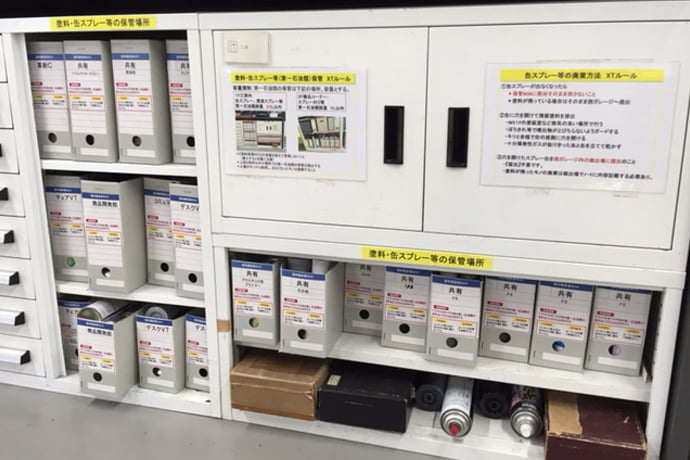
(KOKUYO Head Office)
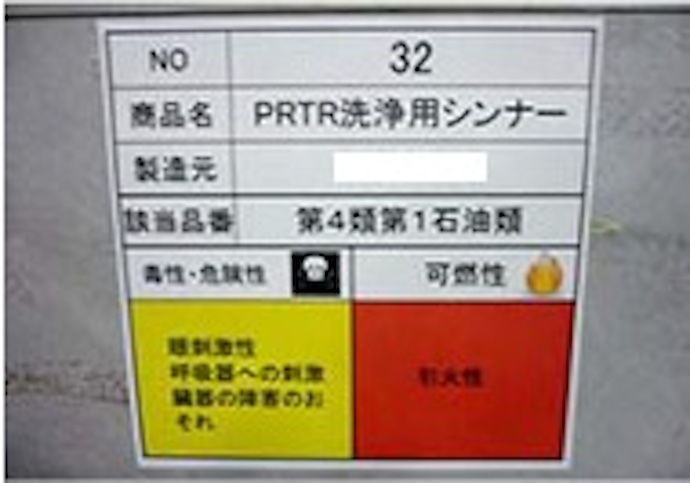
(KOKUYO Shibayama Plant)
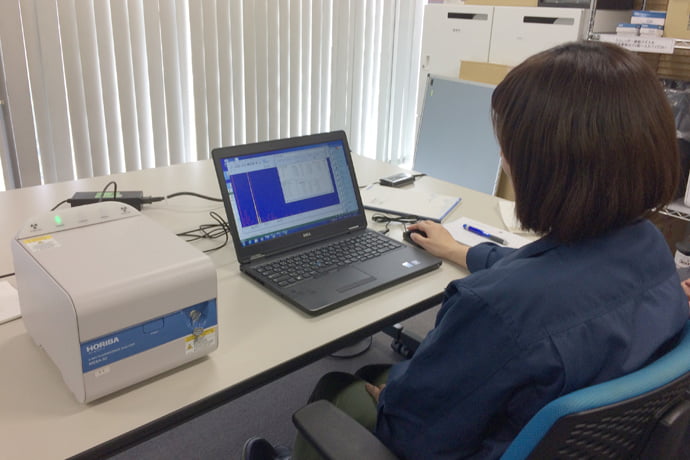
(KOKUYO Head Office)